Sapaxa Spring Garden Ecolodge
Ta Phin · 4.7 km from the centre
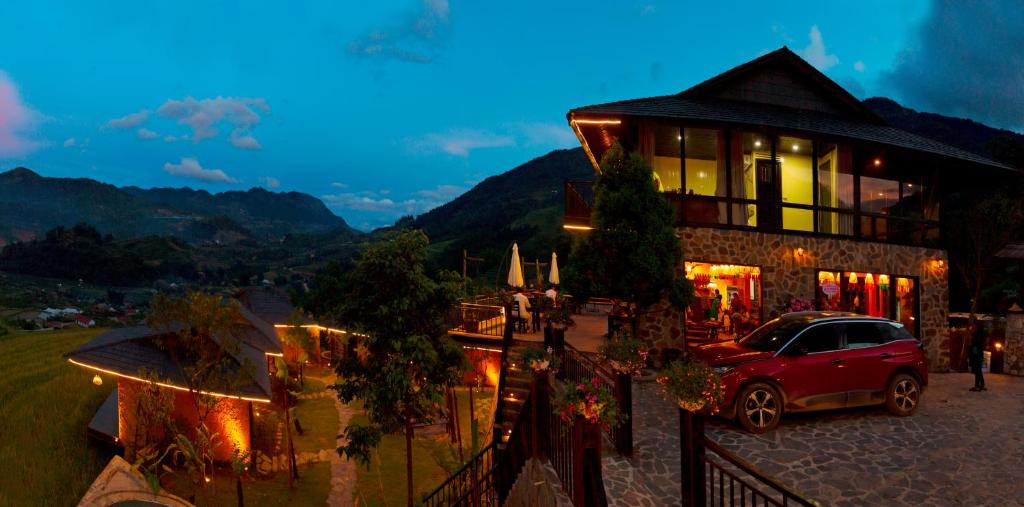
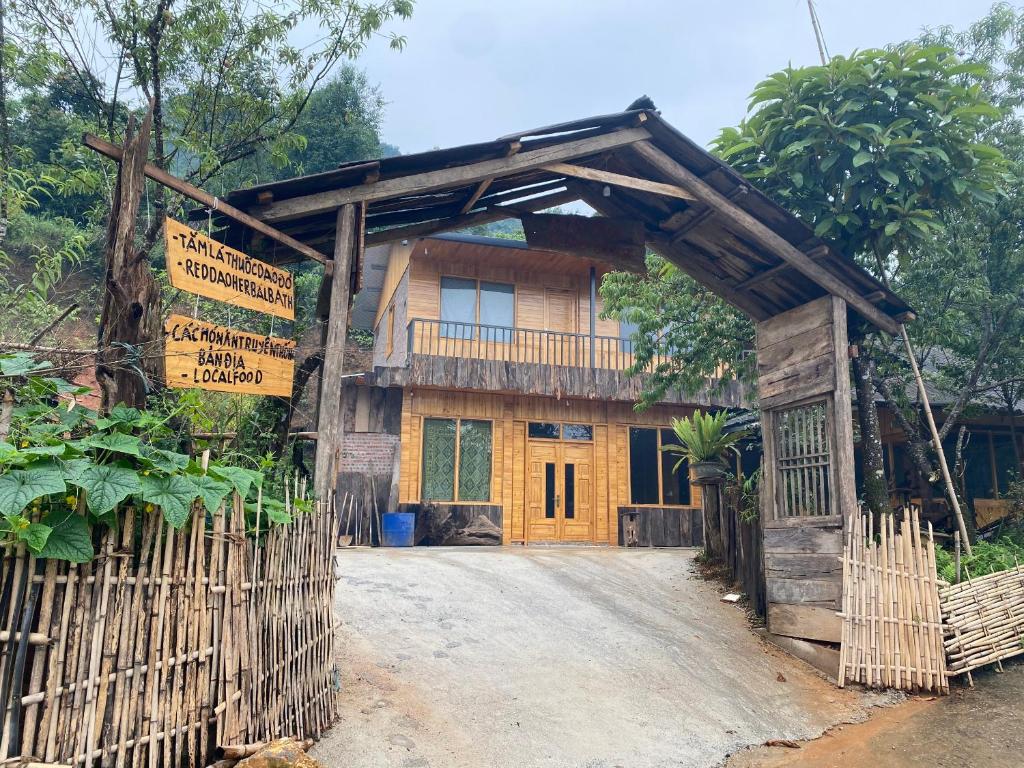
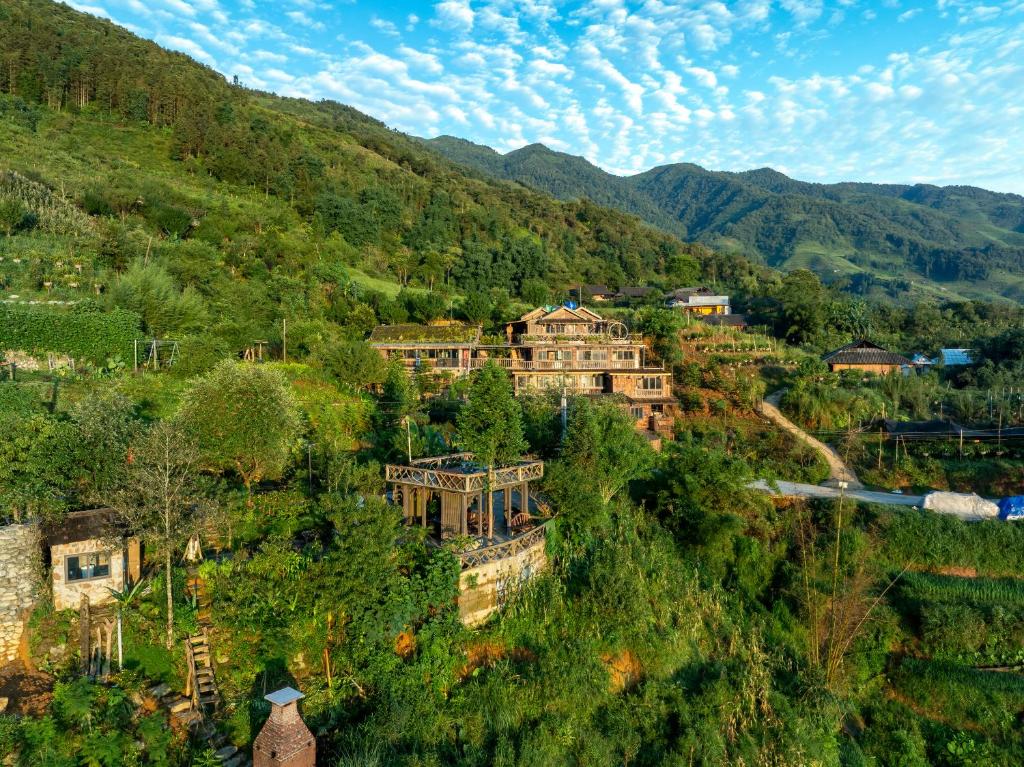
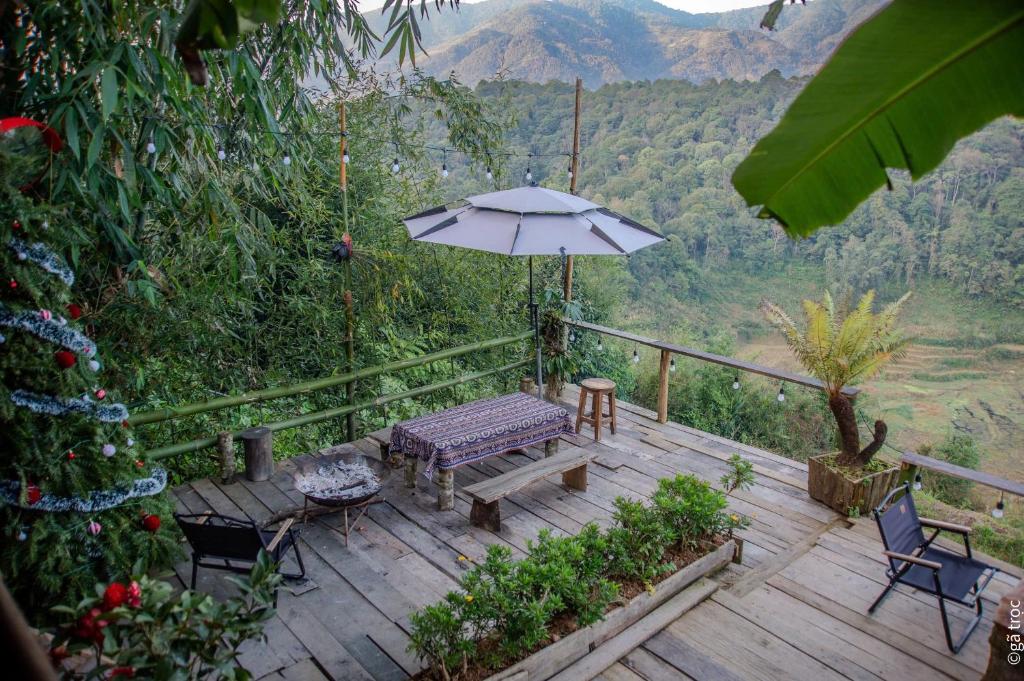
A three-star lodge in Ta Phin, Sa Pa, with garden and mountain views, spacious family rooms, on-site dining, spa facilities and outdoor activities.
7 accommodations
Ta Phin · 4.7 km from the centre
A three-star lodge in Ta Phin, Sa Pa, with garden and mountain views, spacious family rooms, on-site dining, spa facilities and outdoor activities.
Ta Phin · 6.5 km from the centre
Black Ship Sapa is a mountain-view lodge in Ta Phin, with an outdoor pool, restaurant, garden and room choices ranging from double rooms to a six-bedroom villa.
Ta Phin · 7.2 km from the centre
May Kim Ta Phin Homestay is a Ta Phin homestay with family rooms, garden and mountain views, outdoor dining, cooking classes, walking tours and free private parking.
Ta Phin · 5.5 km from the centre
Ta Phin Cottage is a bed and breakfast in Ta Phin, Sa Pa, with mountain-view rooms, garden grounds, a large family room, free bicycles and on-site dining.
Ta Phin · 3.7 km from the centre
A lodge in Ta Phin, Sa Pa, with garden and mountain views, bungalow and family-room options for up to five, Vietnamese dining, hiking and a garden terrace.
Ta Phin · 6.7 km from the centre
Bản Sù - Homestay is a Ta Phin homestay with mountain-view rooms, a garden and hot tub, Asian breakfast, and a family room with a terrace.
Ta Phin · 6.5 km from the centre
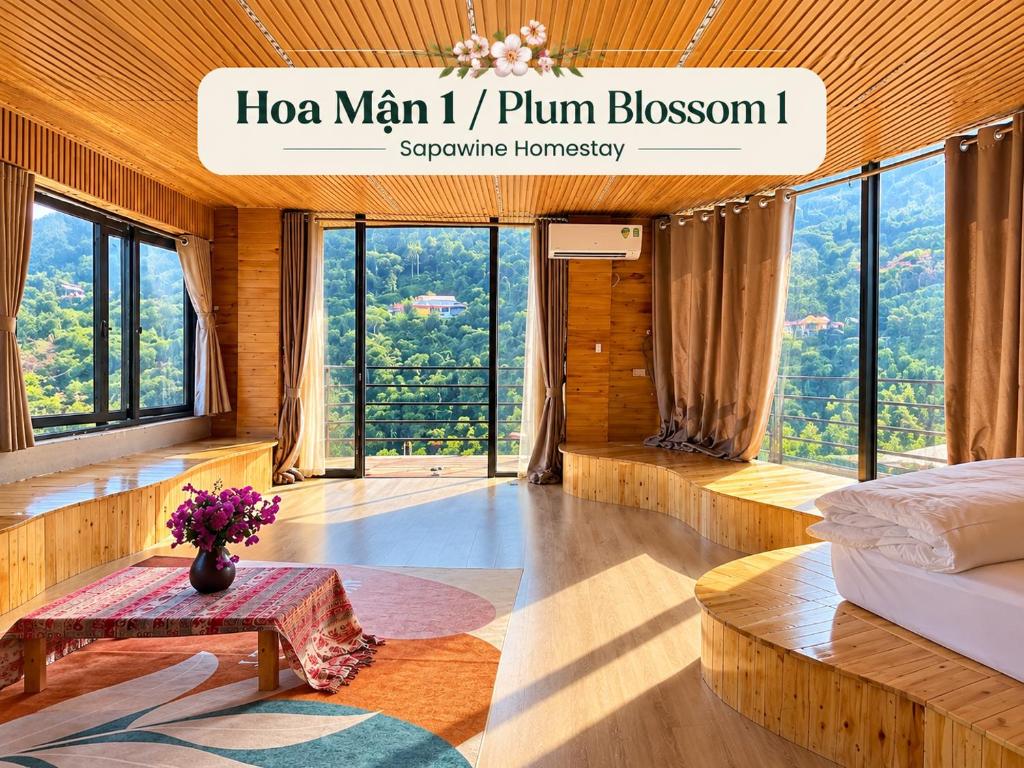
Sapawine Homestay is a holiday home in Ta Phin, Sa Pa, with a sauna, garden views, buffet breakfast options, free private parking and a large unit for up to eight.
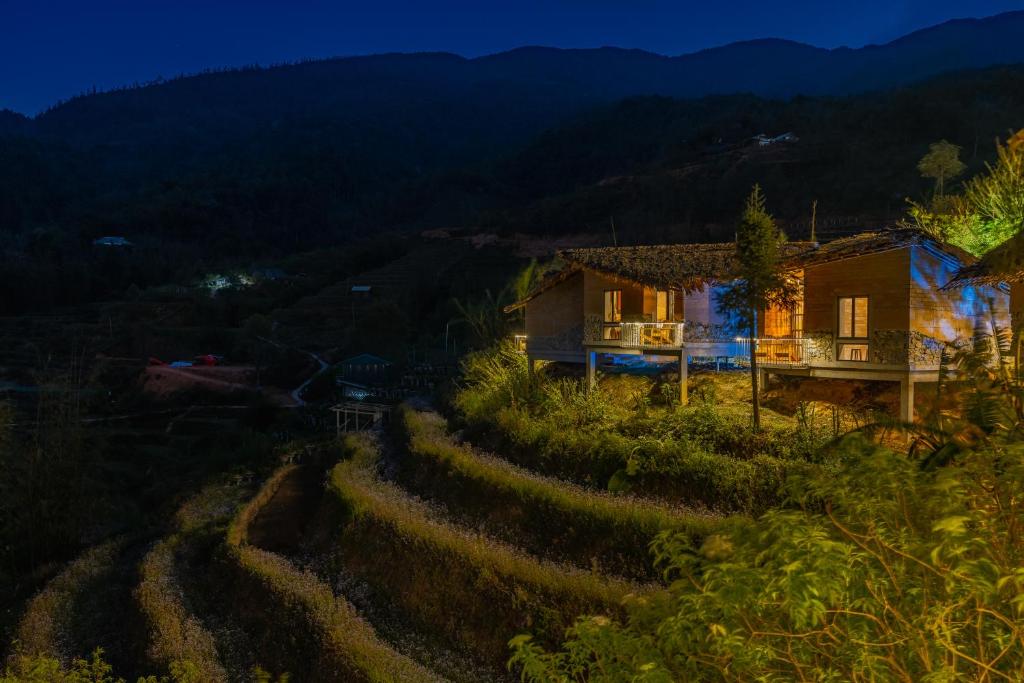
Tả Phìn is a Red Dao village about 10 km north-east of Sapa town, 20–25 minutes by car: the road leaves the QL4D highway near Cầu 32 and climbs for the last 3 km into a wide bowl of terraces with Black Hmong hamlets on the upper slopes. It is the village of the Red Dao herbal bath: around forty households, organised in a community tourism cooperative, prepare tubs of pơ mu wood filled with a decoction of ten to over a hundred mountain herbs, one of the highest concentrations of the tradition in Lào Cai province. Since July 2025 Tả Phìn commune also includes the former Trung Chải commune along the highway.
The herbal bath (80,000–150,000 VND for about twenty minutes, longer is not advised), the roofless French monastery begun in 1942 by twelve nuns and abandoned unfinished in 1945, the Tả Phìn cave with its narrow entrance and stalactites (small fee, a local guide is useful), embroidery and brocade sold at the houses, and in late January and February the strawberry farms. Walks link the monastery, the cave and the Hmong hamlets in two or three hours, and a longer trail comes over from Má Tra. Entry to the village costs 20,000–40,000 VND at the checkpoint.
Visitors who want culture and wellness rather than a trekking base: a bath after a day on Fansipan, a Red Dao dinner, embroidery in the morning. The 7 homestays and lodges listed cost roughly 400,000–600,000 VND per night for a private room, more for a lodge with its own bath tubs; the village is quieter than the Mường Hoa valley and has no bars. Families like it because the drive is short and the paths are gentle. The village centre is reached by car on a paved road; some homestays are a few hundred metres up steeper lanes.
By taxi or hotel car from Sapa in 20–25 minutes, 400,000–600,000 VND for the return trip including waiting time; by rented motorbike (100,000–150,000 VND per day); or on a half-day tour. There is no public bus. Most day-trippers arrive between 10:00 and 15:00; overnight guests have the village to themselves after that.
A half-day covers the monastery, the cave and a bath; a night adds the quiet after the tour minibuses leave, a Red Dao dinner, embroidery in the morning and the terraces in early light. Combined with the Mường Hoa valley on the other side of town it makes a sensible two-night plan: one night in Tả Phìn for culture and the bath, one in Tả Van or Lao Chải for the trek. Guides can also be booked in the village for the walk over the ridge to Má Tra and back towards Sapa, about four hours.
Tả Phìn is cool all year; the terraces hold water in April and turn gold from late August to September; the herbal bath is at its best in the cold months from November to March, when the village is often above the fog.
80,000–150,000 VND per person in 2026, in a wooden tub for about twenty minutes; homestays and lodges also offer private tubs.
Tả Phìn for herbal baths, Red Dao culture and a short drive from town; Tả Van for terraces, treks and the classic homestay night in the Mường Hoa valley.
Yes, a small checkpoint fee of 20,000–40,000 VND per person, paid in cash.