D&D Eco Sapa
Su Pan · 8.2 km from the centre
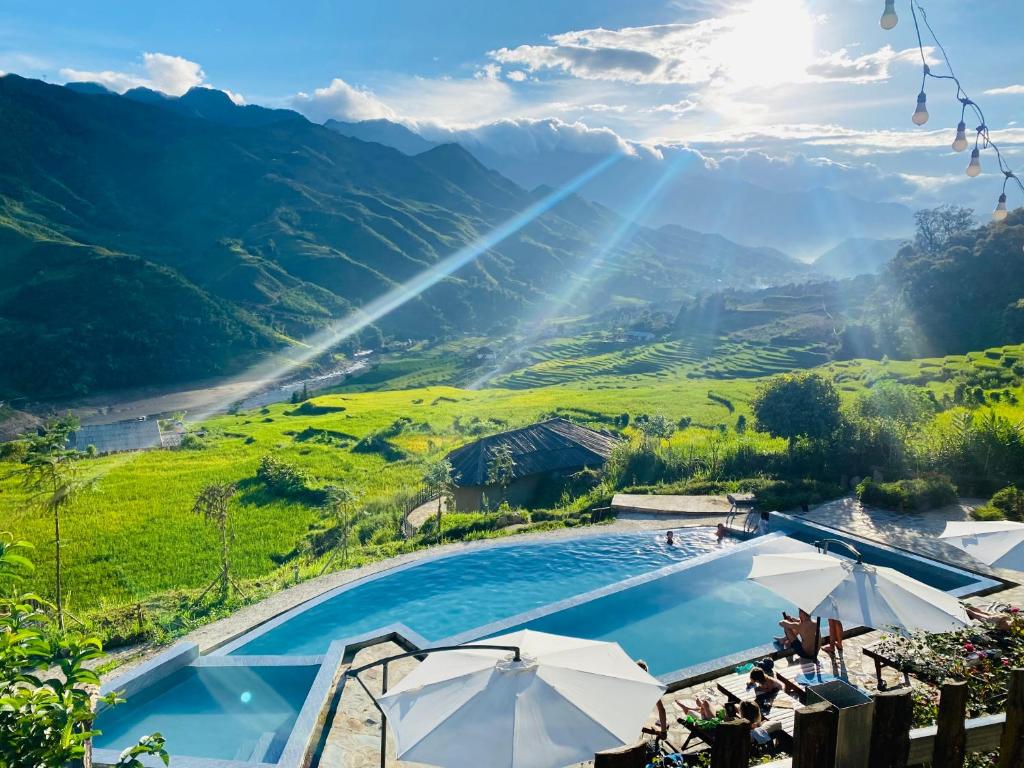
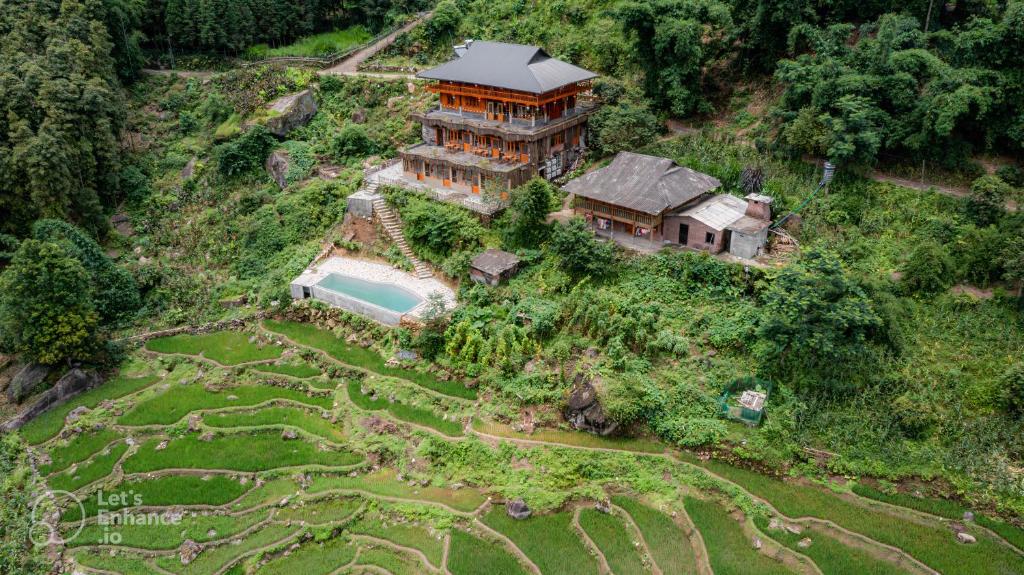
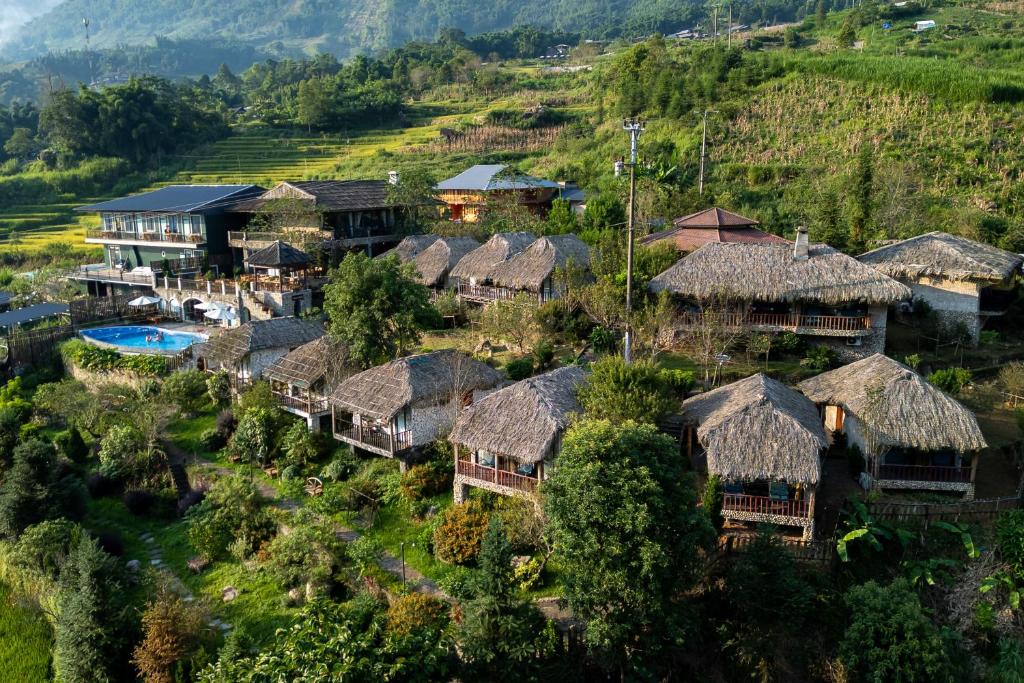
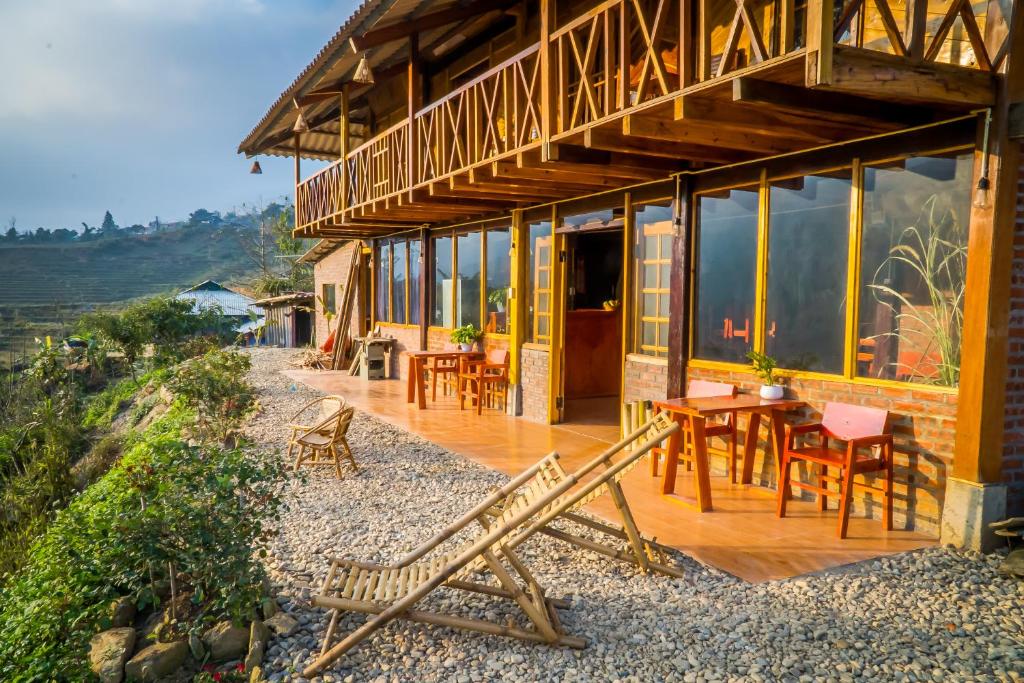
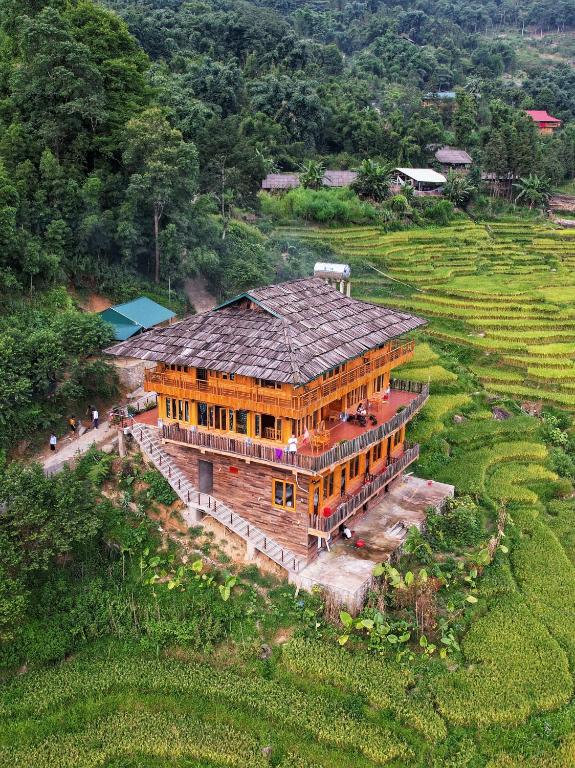
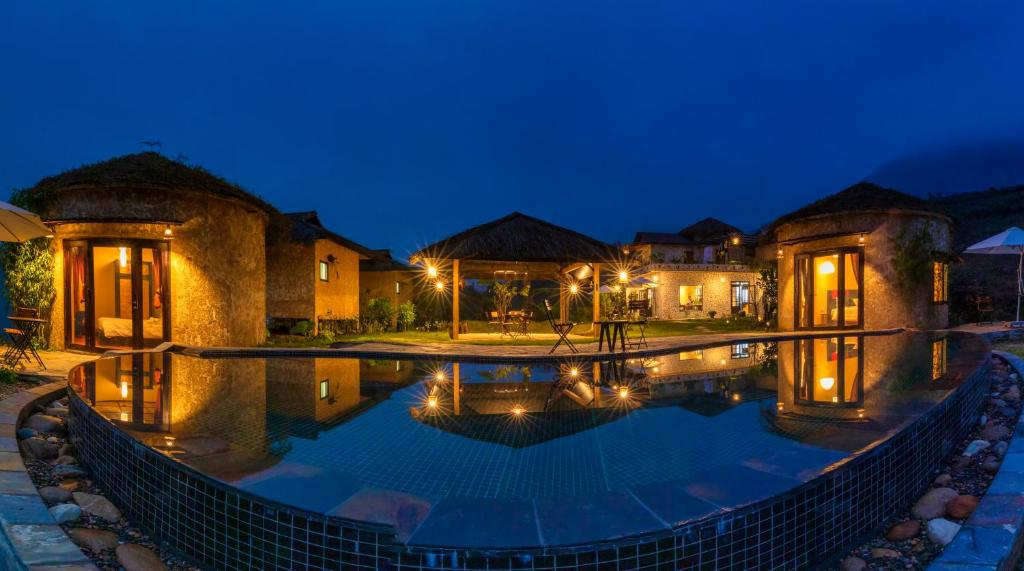
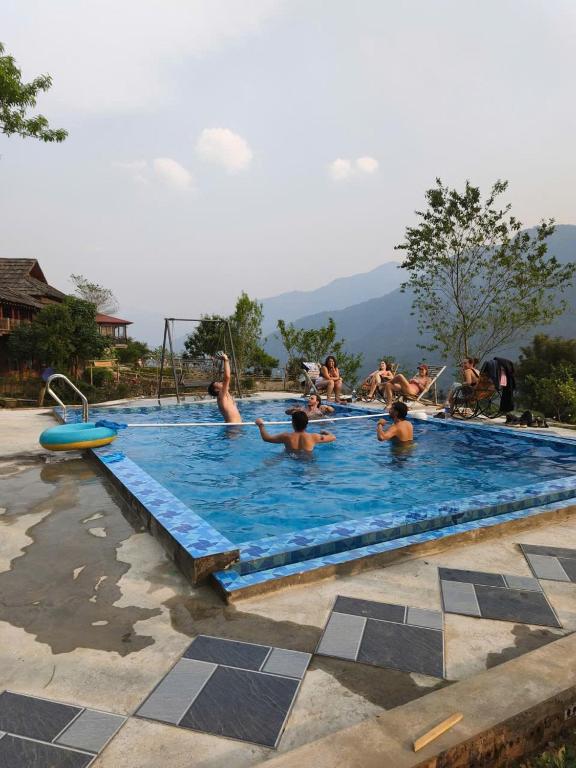
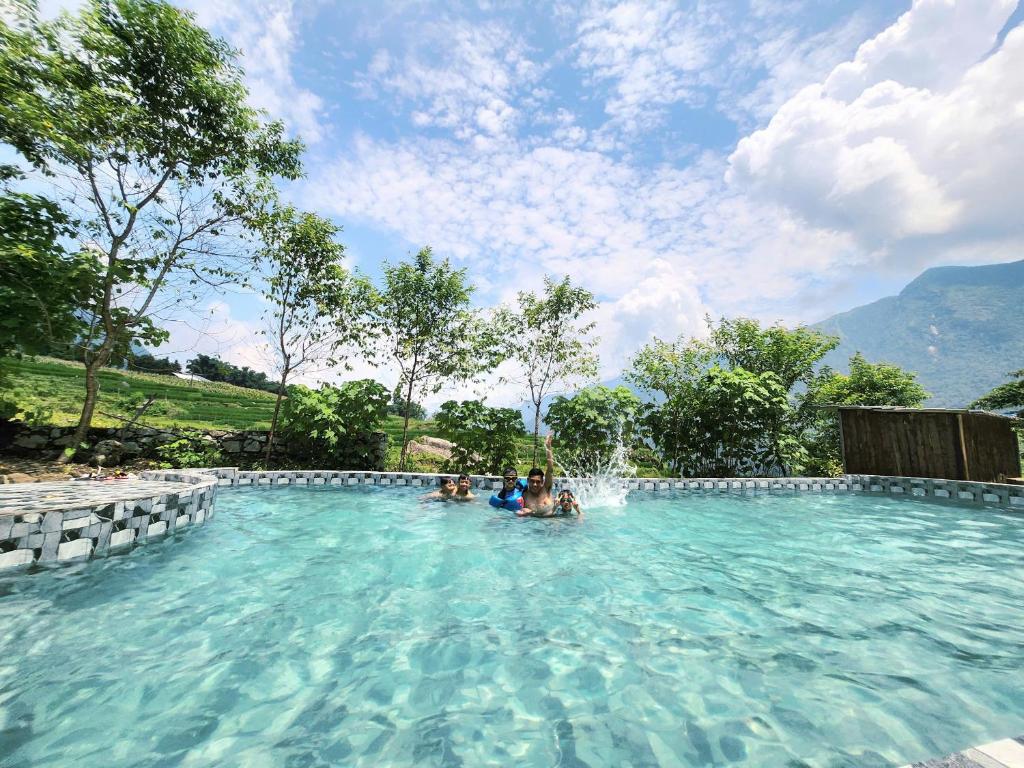
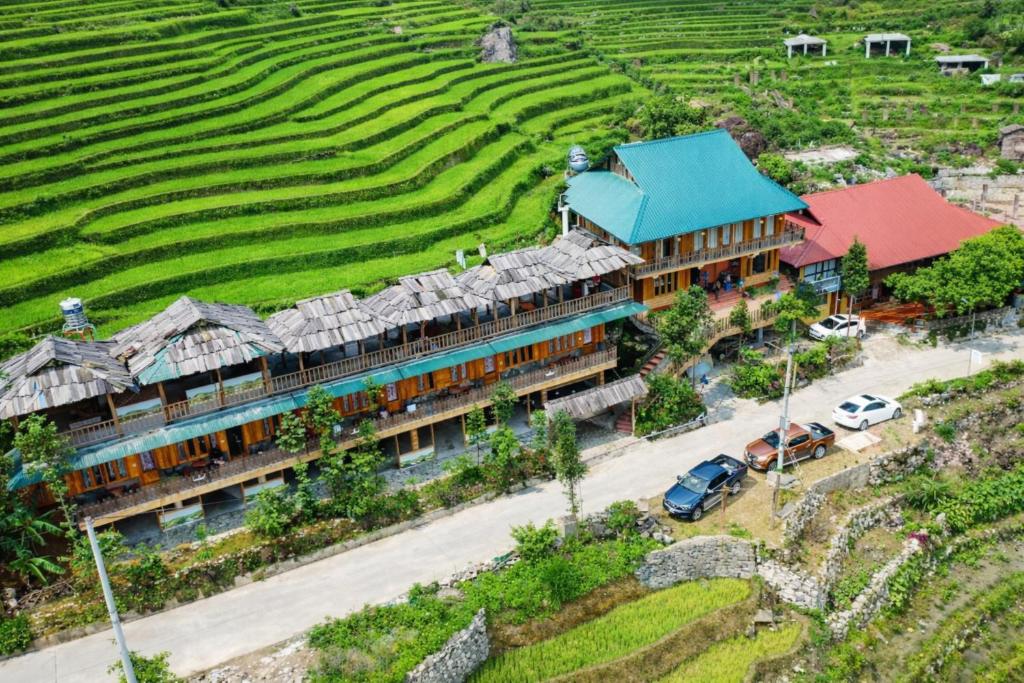
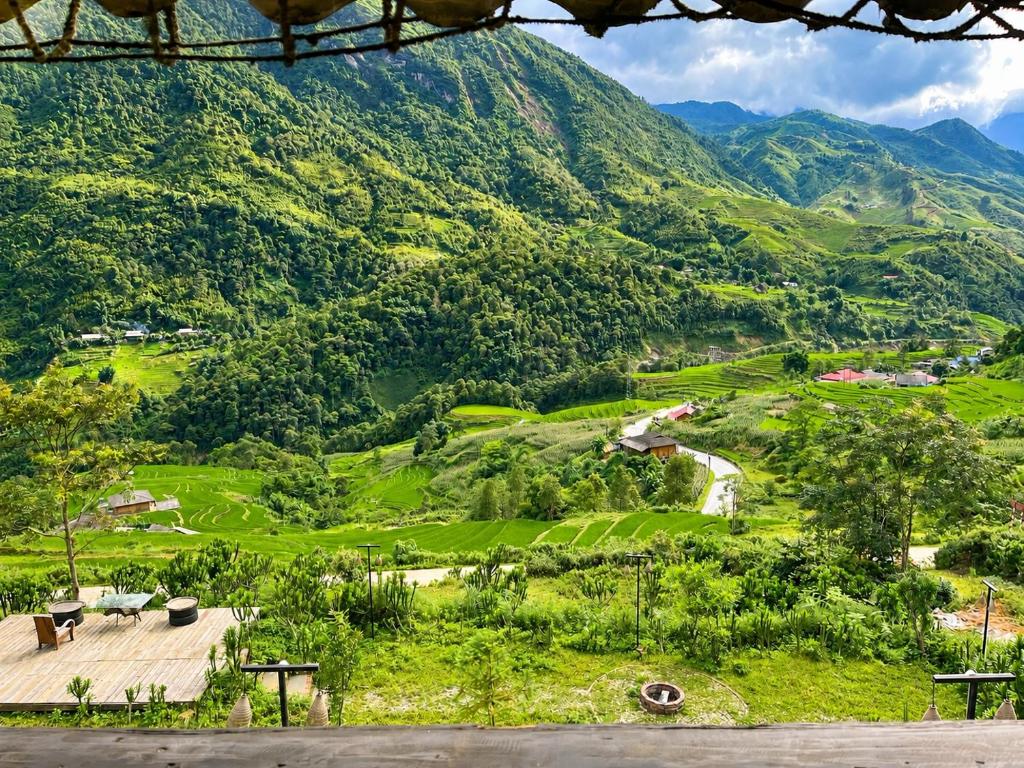
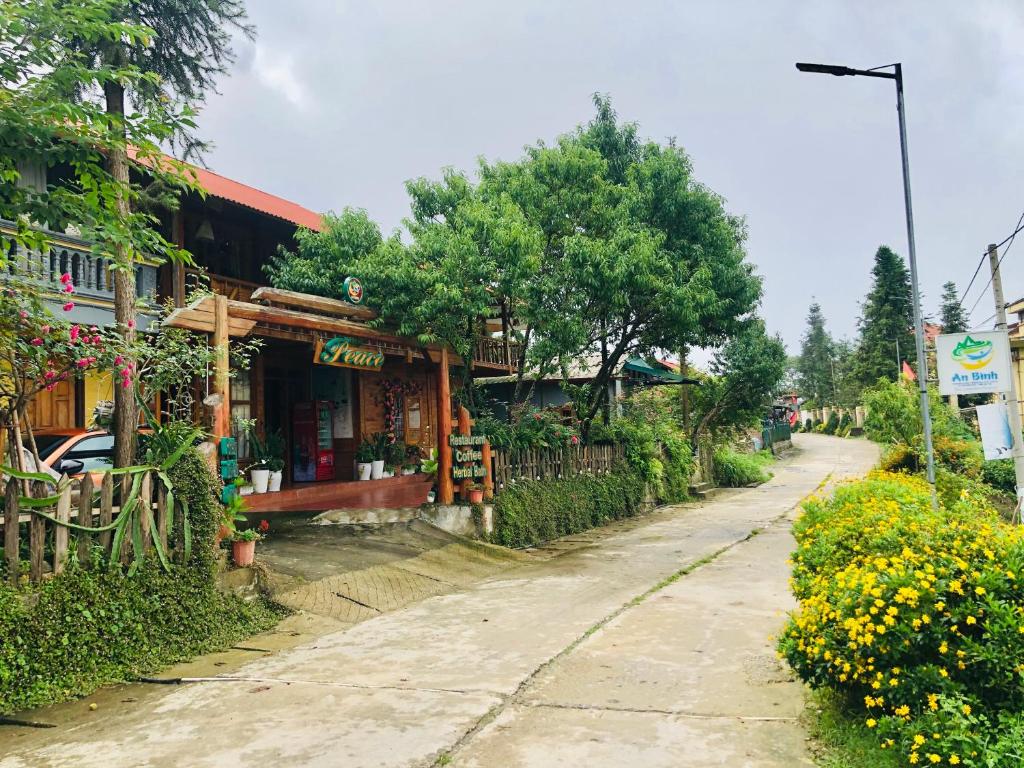
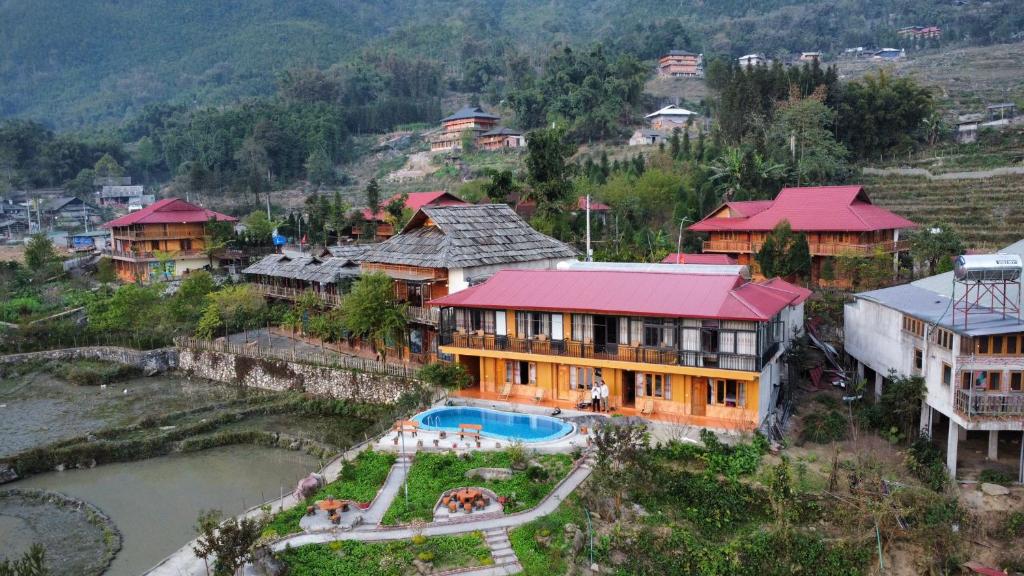
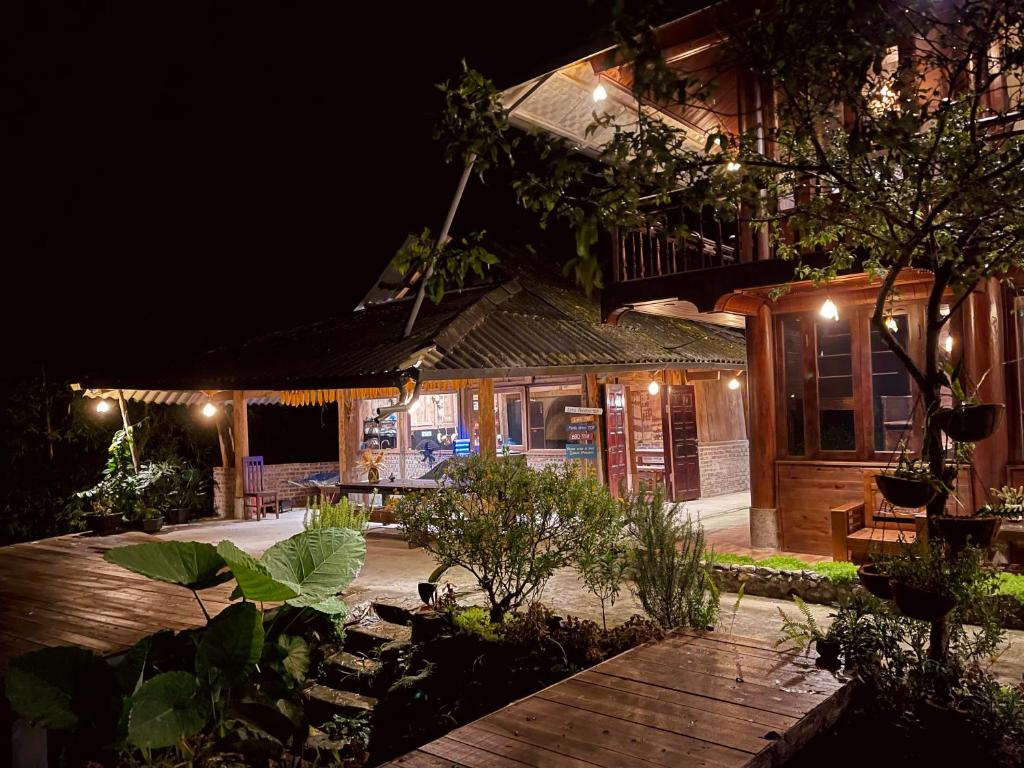
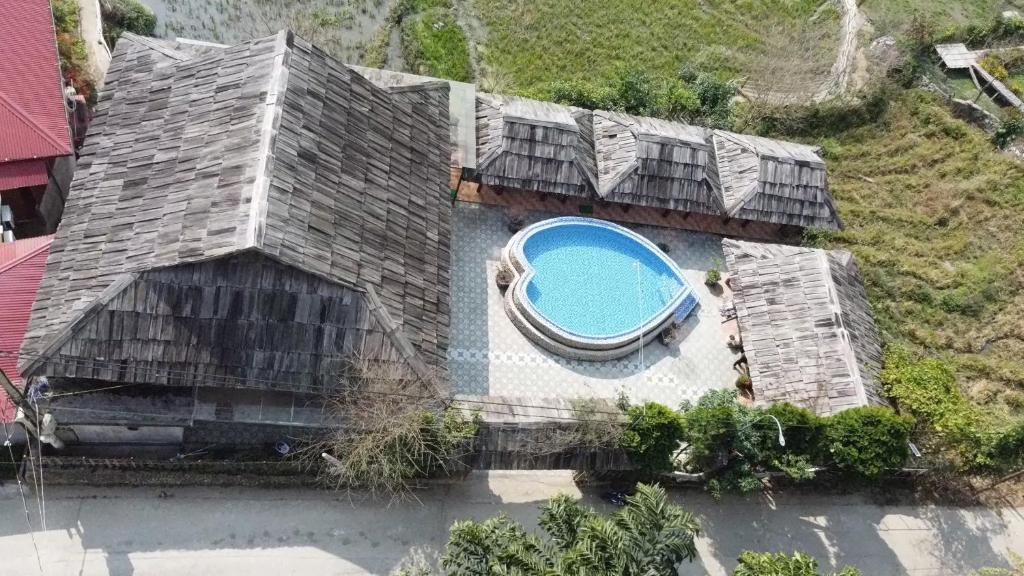
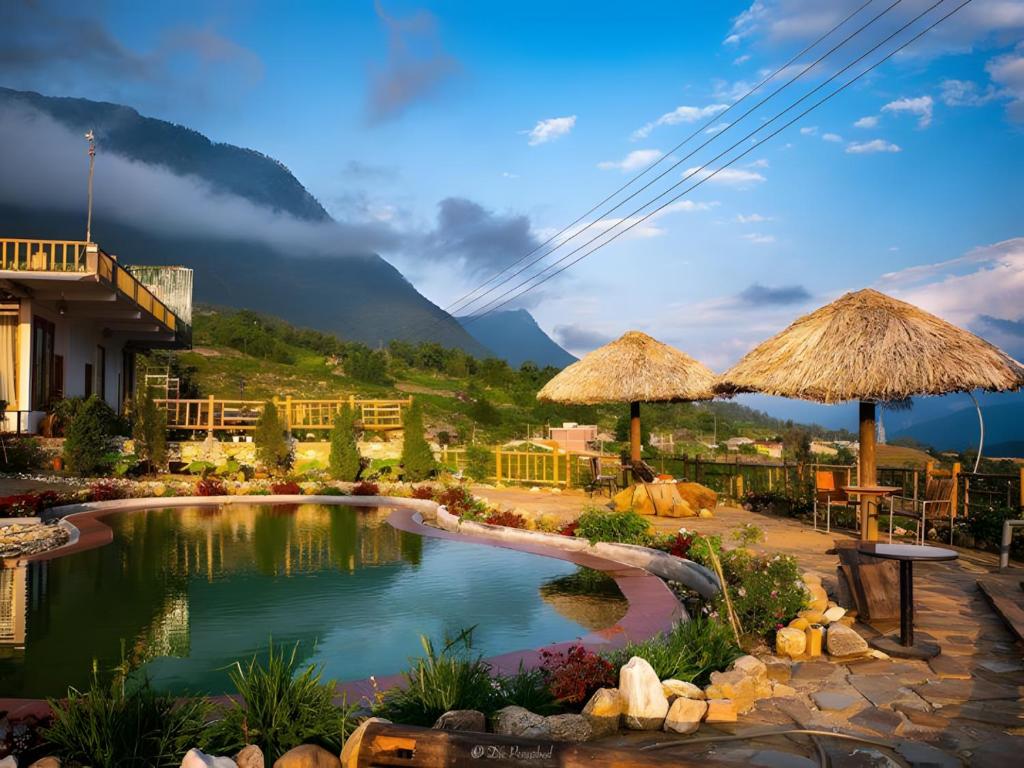
D&D Eco Sapa is a Su Pan lodge with valley views, bungalow accommodation, a seasonal outdoor pool and Vietnamese dining amid the rice fields of Sa Pa.
19 accommodations
Su Pan · 8.2 km from the centre
D&D Eco Sapa is a Su Pan lodge with valley views, bungalow accommodation, a seasonal outdoor pool and Vietnamese dining amid the rice fields of Sa Pa.
Su Pan · 8.7 km from the centre
Supan Ecolodge is a resort in Su Pan, Sa Pa, with valley-facing bungalows, mountain views, spa facilities and Italian, Vietnamese and Asian dining.
Su Pan · 9.0 km from the centre
Muong Hoa Eco Villa is a rural hotel in Su Pan, Sa Pa, with an infinity pool, valley views, family rooms and a restaurant serving local and international food.
Su Pan · 8.9 km from the centre
This lodge in Su Pan, Sa Pa offers bungalow stays with valley views, an infinity pool, spa facilities, family accommodation and a restaurant with varied breakfast choices.
Su Pan · 8.1 km from the centre
A homestay in Su Pan, Sa Pa, Sapa's Soul pairs mountain and garden views with family rooms, an Asian restaurant, local activities and free private parking.
Su Pan · 9.0 km from the centre
A lodge in Su Pan, Sa Pa, Hmong Eco Villas pairs Mường Hoa valley views with private rooms, a local-cuisine restaurant, outdoor spaces and walking activities.
Su Pan · 8.1 km from the centre
Sapa Farmstay is a bed and breakfast in Su Pan, Sa Pa, with an infinity pool, mountain-view rooms, family dining and outdoor activities in the Mường Hoa valley.
Su Pan · 8.9 km from the centre
A homestay in Su Pan, Sa Pa, with valley and mountain views, an outdoor pool, family rooms, free private parking and local dining.
Su Pan · 8.4 km from the centre
A lodge in Su Pan, Sa Pa, with rice-field and mountain views, a swimming pool, family rooms, on-site dining and continental, Asian, vegetarian and vegan breakfast options.
Su Pan · 9.3 km from the centre
Hmong Wooden Home is a guest house in Su Pan, Sa Pa, with garden and mountain-view rooms, family accommodation, Vietnamese dining and walking tours.
Su Pan · 9.4 km from the centre
A village homestay in Su Pan, Sa Pa, with mountain and rice-terrace views, family rooms and a six-bedroom house, plus dining and outdoor activities.
Su Pan · 10.6 km from the centre
My's Homestay sapa is a rural homestay in Su Pan, Sa Pa, with mountain and garden views, family rooms, breakfast choices and walking and trekking activities.
Su Pan · 9.3 km from the centre
A Su Pan homestay in Sa Pa with mountain and rice-field views, a year-round outdoor pool, family rooms, on-site dining and activities across the Mường Hoa valley.
Su Pan · 9.0 km from the centre
A hotel in Su Pan, Sa Pa, with mountain and valley views, a swimming pool, family rooms and a restaurant serving local and international dishes.
Su Pan · 8.2 km from the centre
An apartment in Su Pan, Sa Pa, with a garden pool, valley views, family-sized layouts and access to hiking, walking tours and local-culture activities.
Su Pan · 9.1 km from the centre
Ya's House is a Su Pan homestay with mountain and rice-terrace views, family rooms for four, a garden, outdoor dining and free private parking.
Su Pan · 9.0 km from the centre
Ying Charm Homestay Valley View is a Su Pan homestay with rice-terrace scenery, a garden and terrace, free WiFi, local meals and hiking in the Mường Hoa valley.
Su Pan · 8.7 km from the centre
A lodge in Su Pan, Sa Pa, with garden and mountain views, family rooms and a six-bedroom house, plus a terrace, walking tours and free private parking.
Su Pan · 9.0 km from the centre
A Su Pan lodge in Sa Pa with mountain-view rooms, an infinity pool, local dining, free bicycles and private on-site parking.
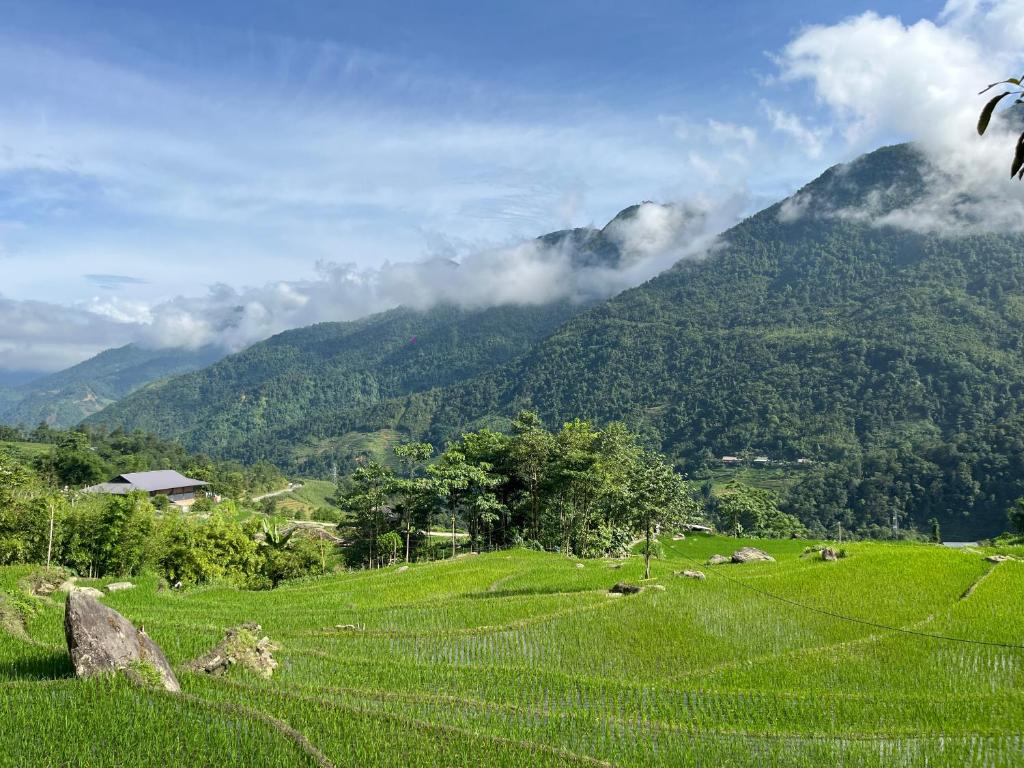
Sử Pán and the neighbouring hamlet of Giàng Tả Chải lie down the valley past Tả Van, on the southern side of the Mường Hoa stream, about 10 km from Sapa as the crow flies and 15 km by road, at roughly 1,400 m. Giàng Tả Chải is a Red Dao village, recognisable by the women's red headdresses and the silver work and brocade sold at the houses; the Sử Pán hamlets are mostly Hmong. Both belong to the Tả Van commune since July 2025. This is where the classic two-day trek spends its second morning, walking from Tả Van across the suspension bridge to the waterfall and through the bamboo forest.
Because it is the last stretch of the valley before the road drops towards Bản Hồ, and visitor numbers fall off sharply beyond Tả Van. The 19 homestays and small lodges listed here are family-run, several with herbal-bath tubs, and the cafés Pavi Garden and DeMong have terraces over the valley. It suits walkers, families with children who like streams, and anyone who found Tả Van busier than expected. Wi-fi and heating are basic; bring cash, as the nearest ATM is in Sapa town.
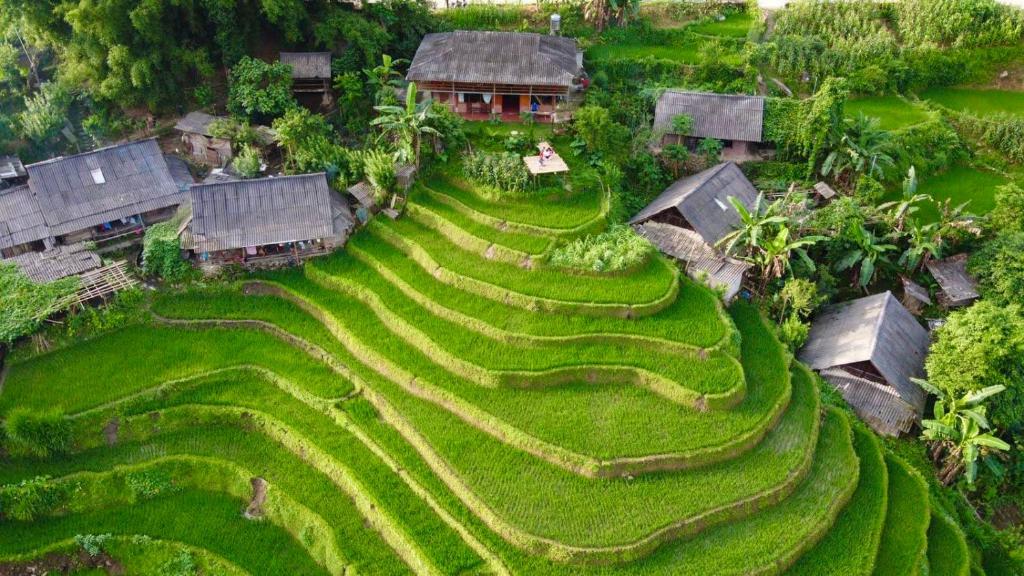
The Giàng Tả Chải waterfall and the rattan-and-wood suspension bridge about 3 km from the village centre, 50 ha of primary forest with caves and 30 ha of regenerated forest, and terraces on every slope. Half-day walks Giàng Tả Chải – Sử Pán are offered from Tả Van, and the three-day route continues to Bản Hồ. Red Dao families celebrate Pút Tồng at Lunar New Year, when the village is at its most colourful.
By private car or motorbike from Sapa in 40–50 minutes along the valley road through Lao Chải and Tả Van (valley ticket about 75,000 VND at the checkpoint); no public bus. On foot from Tả Van it is one to two hours. Ask the host about the last kilometre, which is steep.
Red Dao houses are built at ground level, often with a bathing room for the herbal tubs beside the kitchen; guests sleep in a shared loft or in simple rooms with mattresses, nets and heavy blankets, and eat with the family – rice, vegetables, pork, river fish, rice wine. A herbal bath after the walk from Tả Van is the reason many people stop here rather than pushing on. The two cafés, Pavi Garden and DeMong, cover coffee and lunch with a view; for anything else it is the family kitchen. Expect basic wi-fi, no heating and no shop, and pay in cash.
September to November for the golden terraces and clear air, March to May for water in the fields and peach blossom; December to March is misty and cold. The waterfall is at its best from June to October.
About 3–4 km, one to two hours on foot with the waterfall and the bridge on the way.
They are neighbouring hamlets of the same commune: Giàng Tả Chải is the Red Dao village with the waterfall, Sử Pán the Hmong hamlets above it; the homestays are listed together here.
No separate fee; the Mường Hoa valley ticket is paid at the Lao Chải checkpoint on the way in.