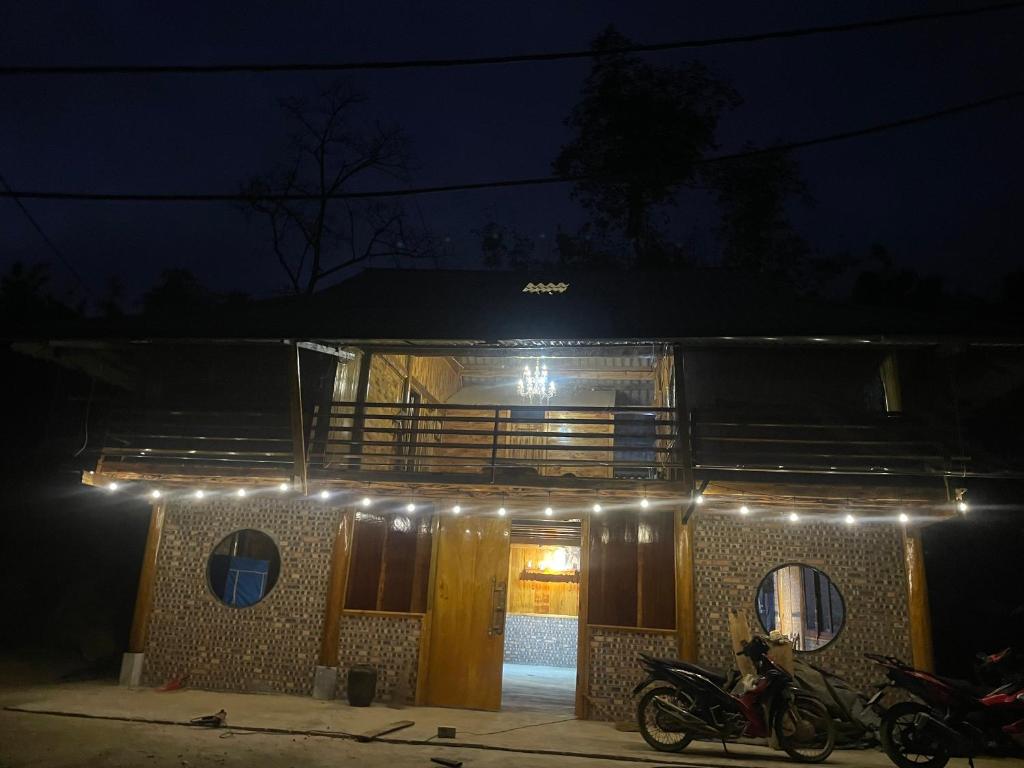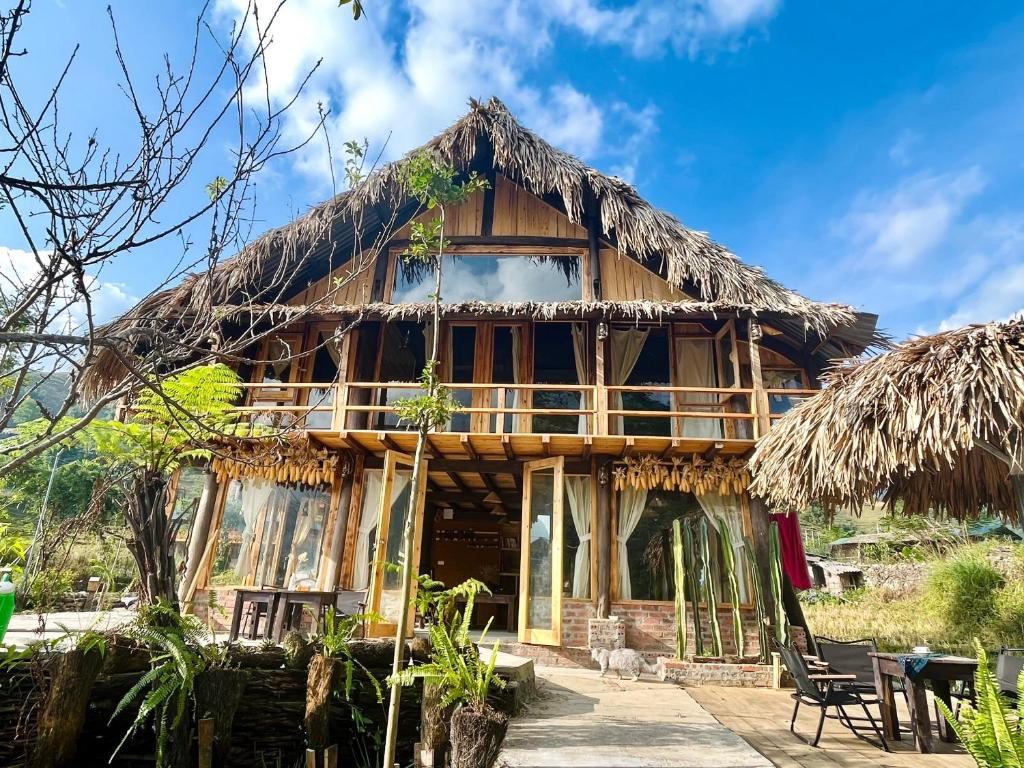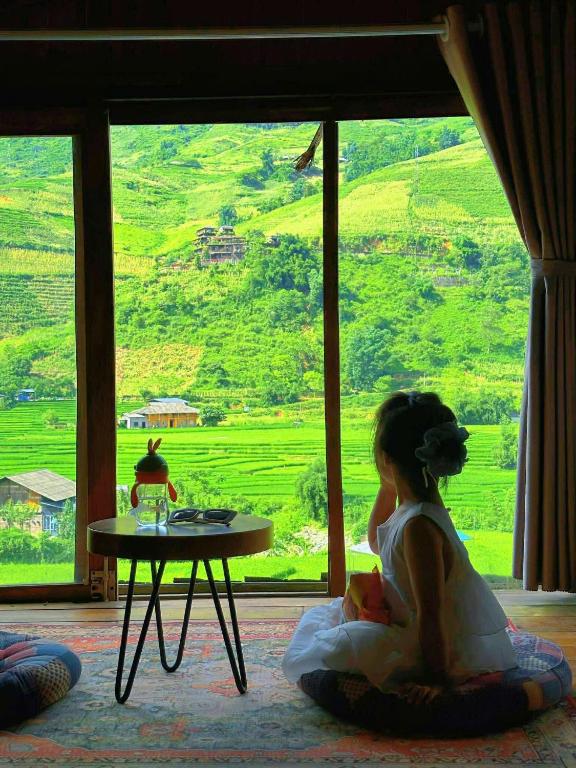
Laxsik Ecolodge
Lao Chai · 4.5 km from the centre
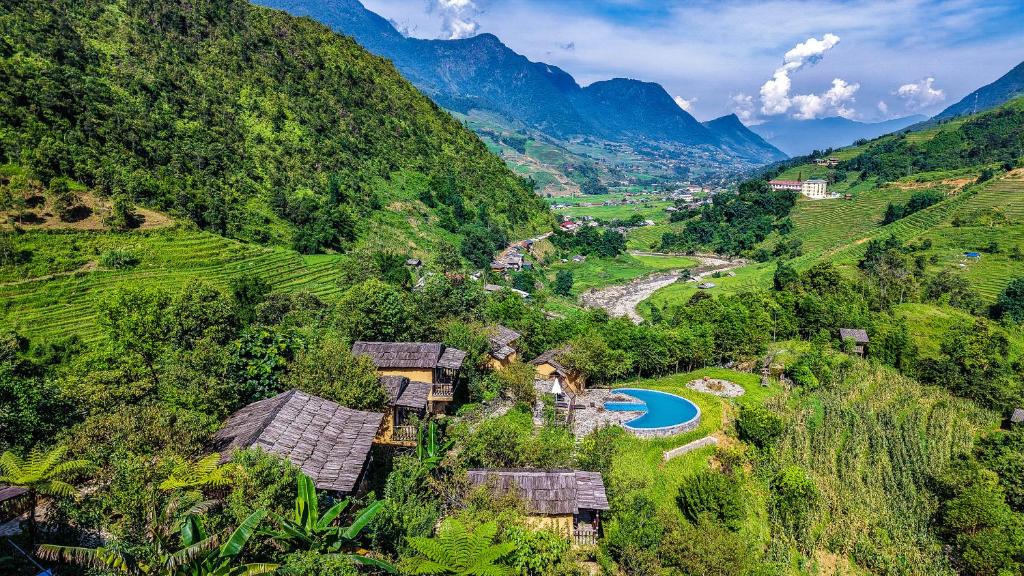
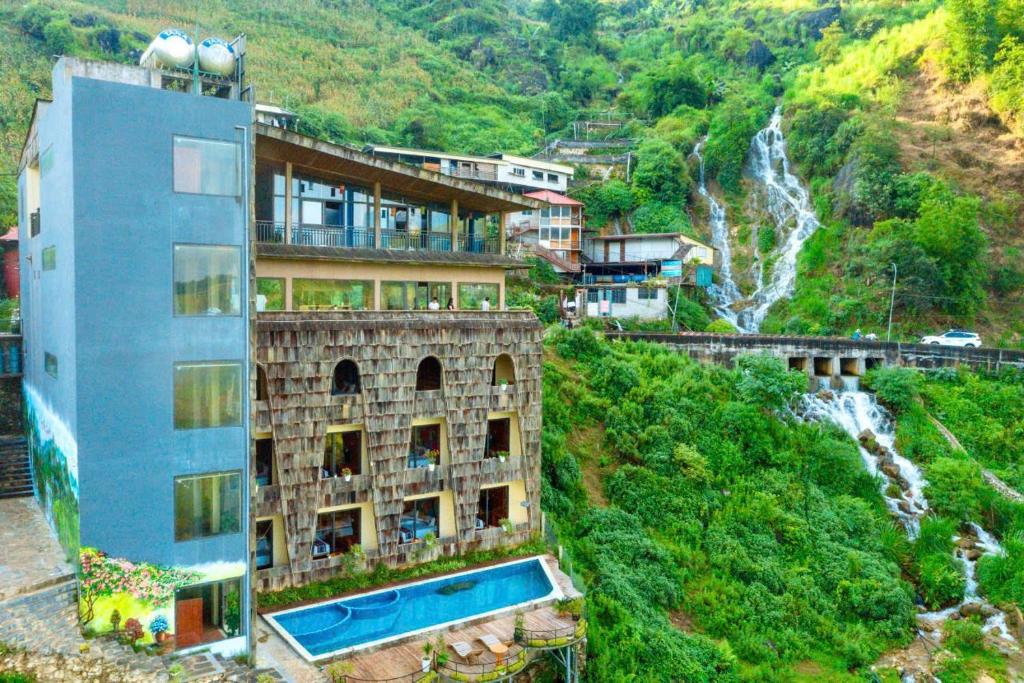
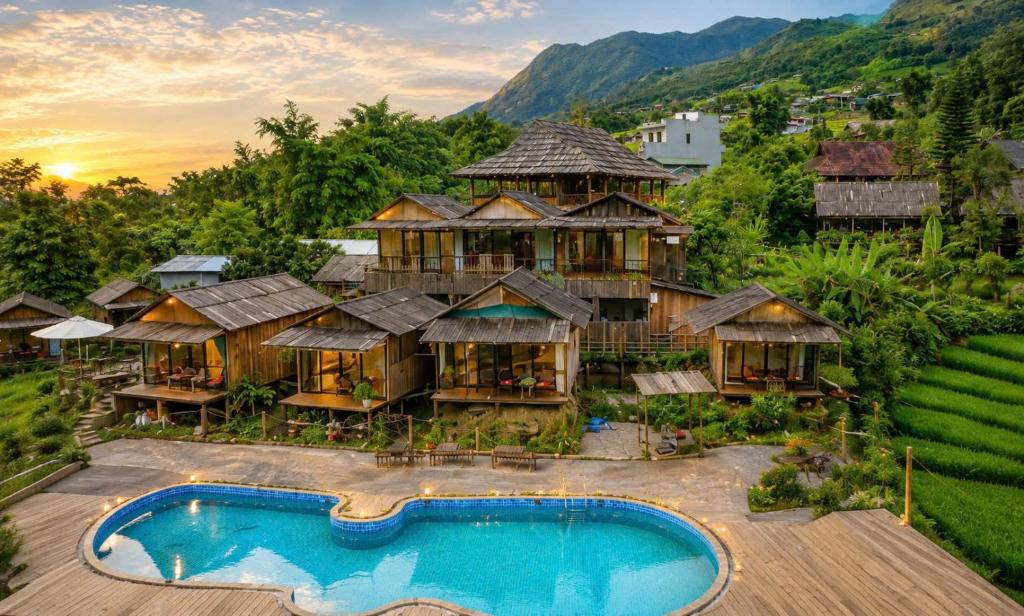
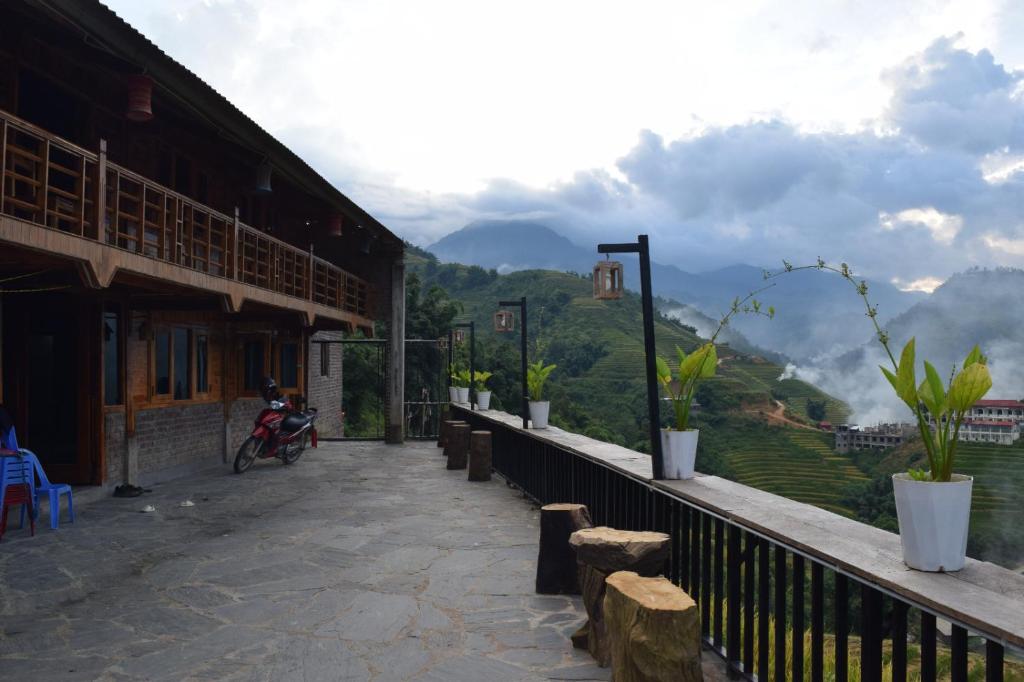
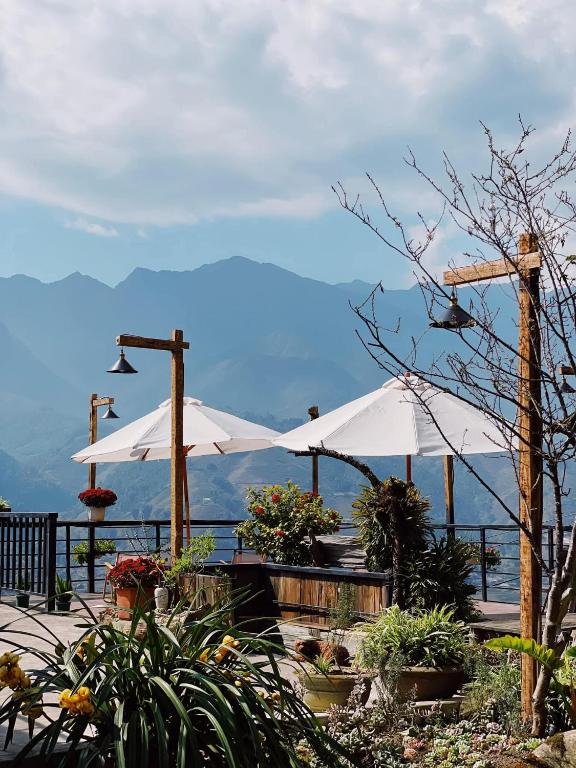
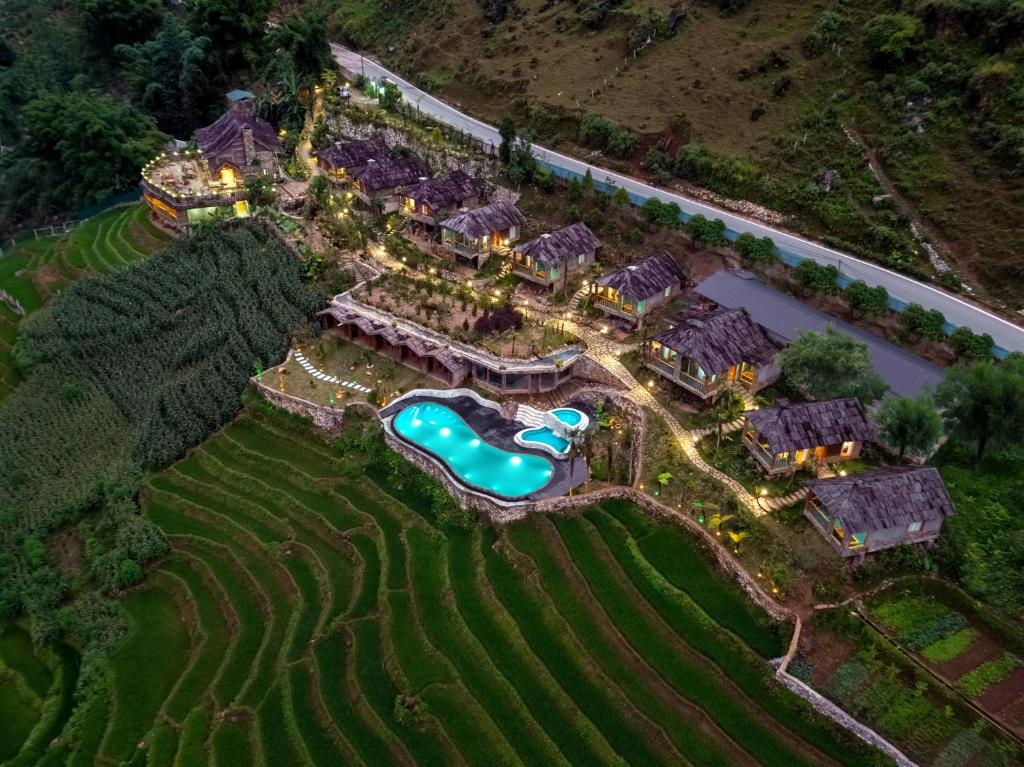
A five-star lodge in Lao Chai, Sa Pa, with valley-facing rooms, an infinity pool, family bungalows, varied restaurant menus and access to cycling, hiking and village walks.
19 accommodations
Lao Chai · 4.5 km from the centre
A five-star lodge in Lao Chai, Sa Pa, with valley-facing rooms, an infinity pool, family bungalows, varied restaurant menus and access to cycling, hiking and village walks.
Lao Chai · 3.4 km from the centre
A Lao Chai lodge with garden and mountain views, family rooms, an on-site restaurant, valley activities and free private parking, 3.4 km from Sa Pa town.
Lao Chai · 4.5 km from the centre
SaPa Farmer House is a Lao Chai holiday home with mountain and valley views, family rooms, private outdoor spaces, a garden and hiking and cycling options.
Lao Chai · 3.5 km from the centre
A hotel in Lao Chai, Sa Pa, with bungalow accommodation, valley views, an infinity swimming pool and Asian dining, plus family rooms and free public parking on site.
Lao Chai · 4.7 km from the centre
Eco Palms House is a Lao Chai resort with bungalow and chalet stays, mountain and valley views, spa facilities, private parking and access to hiking and cycling.
Lao Chai · 2.6 km from the centre
A lodge in Lao Chai, Sa Pa, with private bungalows, mountain and valley views, family accommodation, an on-site restaurant and trekking, cycling and cultural activities.
Lao Chai · 5.2 km from the centre
A Lao Chai homestay in Sa Pa with mountain and rice-field views, family bungalows, local cooking classes and cultural activities, plus pets allowed without extra charge.
Lao Chai · 4.0 km from the centre
A Lao Chai homestay near Sa Pa with bungalow rooms, mountain and garden views, shared bathrooms, free private parking, cooking classes and walking tours through the terraced Muong...
Lao Chai · 4.7 km from the centre
A hillside homestay in Lao Chai, Sa Pa, with valley and mountain views, family-sized suites, a garden restaurant, outdoor terraces and free private parking.
Lao Chai · 4.2 km from the centre
A homestay in Lao Chai, Sa Pa, with mountain-view rooms, family accommodation for up to six, a garden, terrace and free nearby public parking by reservation.
Lao Chai · 4.3 km from the centre
A Lao Chai homestay with mountain-view balconies, a family room for six, daily breakfast, Vietnamese dining and a garden in the Muong Hoa valley.
Lao Chai · 4.3 km from the centre
A Lao Chai hotel above the Mường Hoa valley, Arista Homestay has mountain views, an outdoor pool, family and dormitory rooms, an on-site restaurant and free private parking.
Lao Chai · 5.5 km from the centre
A Lao Chai homestay near Sa Pa with mountain-view rooms, an infinity pool, a garden, varied breakfast choices and family bungalow accommodation for up to four.
Lao Chai · 3.9 km from the centre
Friendly Homestay is a guest house in Lao Chai, Sa Pa, with mountain and garden views, balconies, free private parking and a tour desk for trekking and local activities.
Lao Chai · 4.3 km from the centre
A Lao Chai homestay in Sa Pa’s Mường Hoa valley, with river and mountain views, family rooms, a restaurant, garden and free public parking nearby.
Lao Chai · 5.6 km from the centre
Lee Eco House Sapa is a Lao Chai homestay with mountain-view rooms, a swimming pool, family accommodation, on-site dining and outdoor activities in the Mường Hoa valley.
Lao Chai · 5.3 km from the centre
Black Hmong Sapa Homestay Family is a Lao Chai homestay with mountain-view bungalows, buffet breakfast, a shared kitchen and activities exploring local culture.
Lao Chai · 4.6 km from the centre
ZaaZaa Homestay & Trekking is a Lao Chai homestay with mountain-view rooms, terraces and a family room with balcony, near Mường Hoa valley villages and walking routes.
Lao Chai · 5.0 km from the centre
A Lao Chai lodge in Sa Pa with a mountain-view double room, balcony and terrace, an on-site restaurant, garden spaces, free private parking and pets allowed.
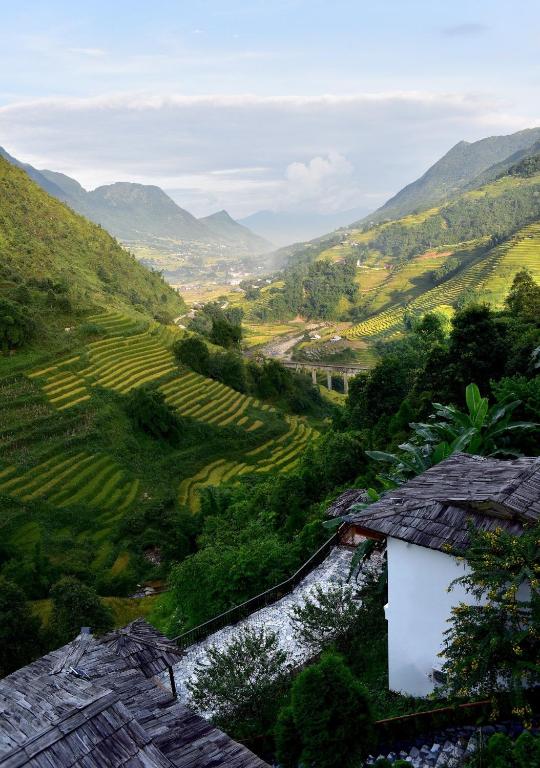
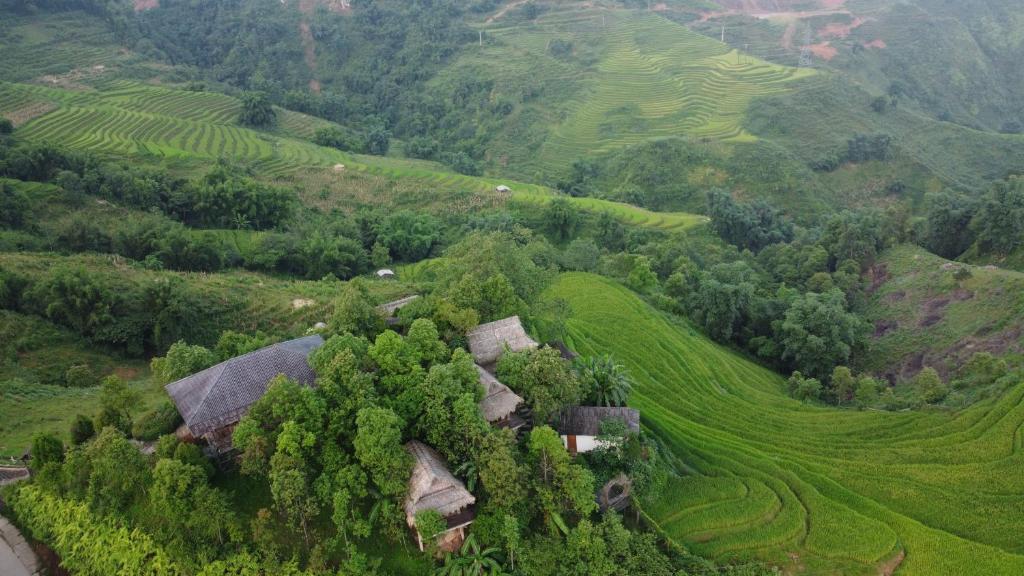
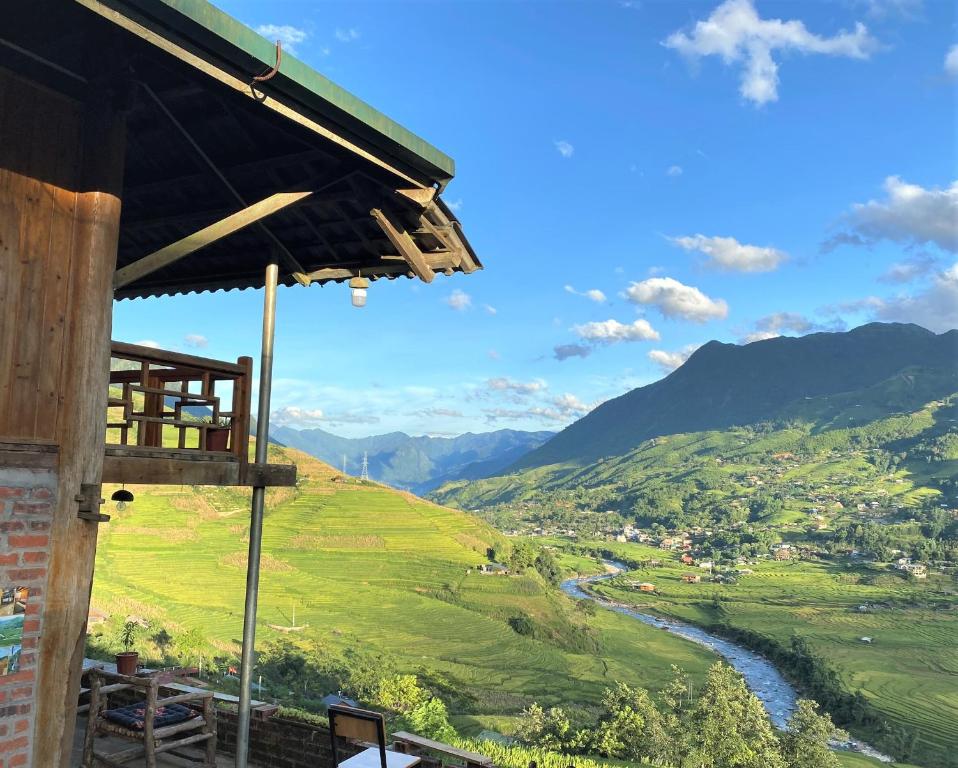
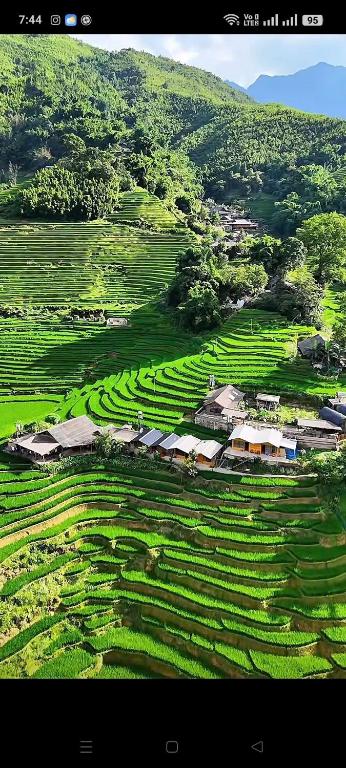
Lao Chải is the first big village on the valley road from Sapa, 7–10 km south-east of town and about 600 m lower, at roughly 1,000 m. It is a Black Hmong village, and the terraces that climb from the Mường Hoa stream to the hamlets above are the widest in the valley: this is where the photographs of the Sapa rice fields are usually taken. Since 2025 Lao Chải belongs to the merged Tả Van commune, and the road continues 2 km to Tả Van village.
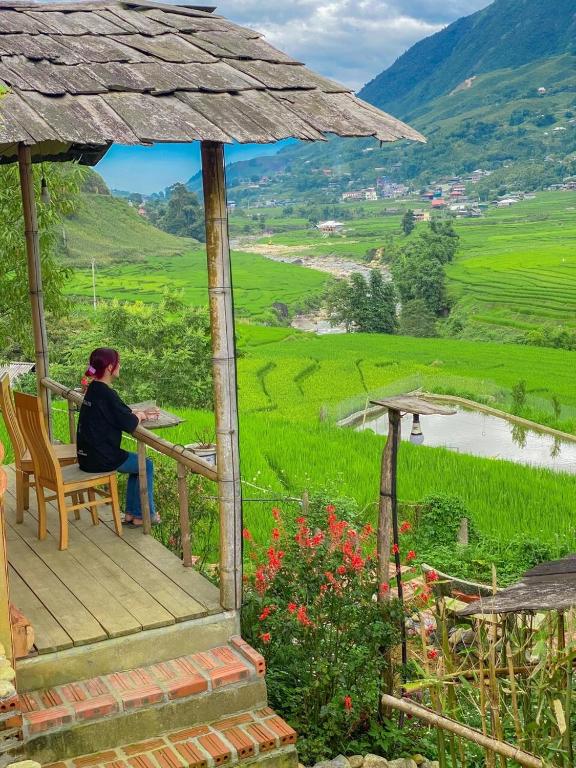
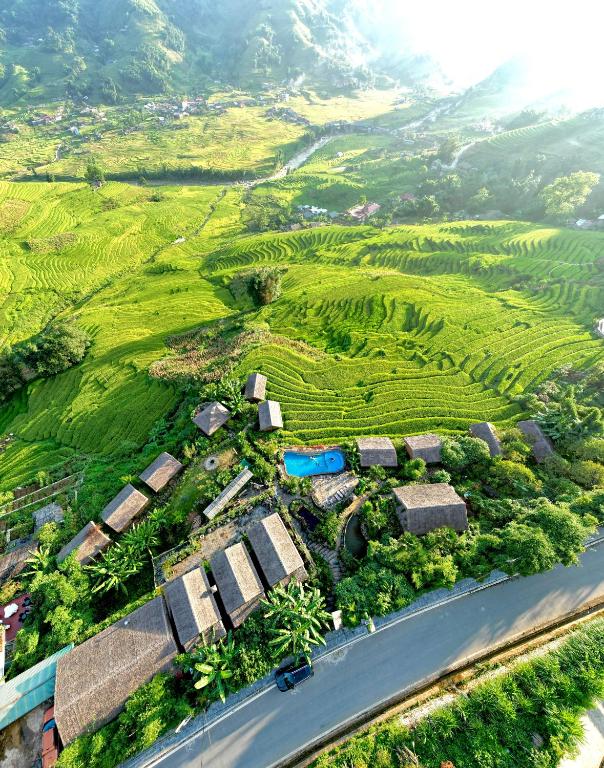
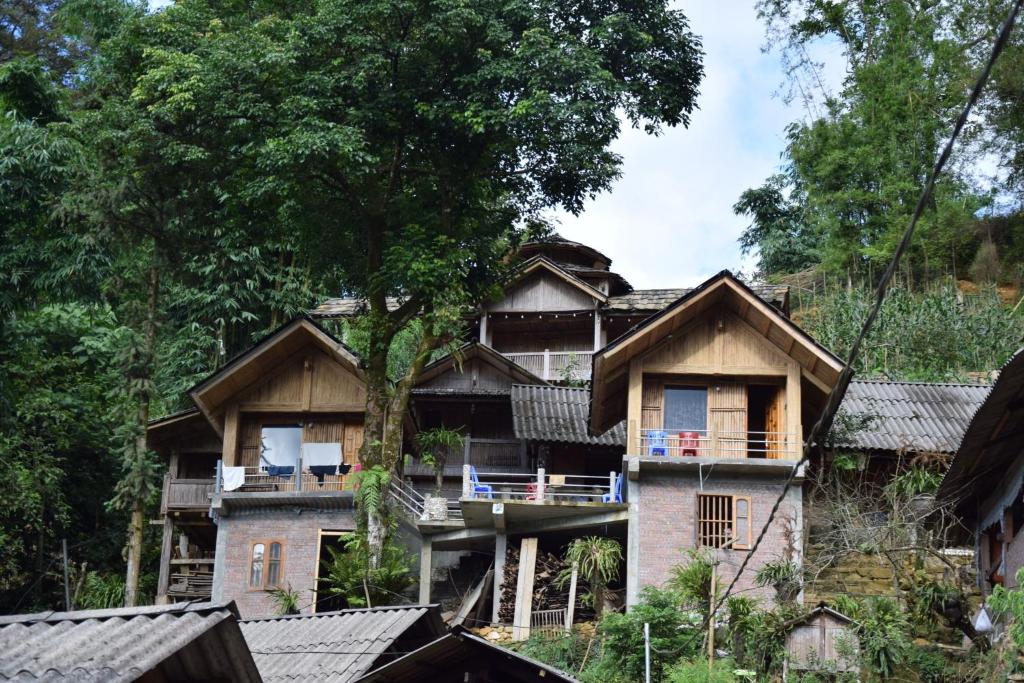
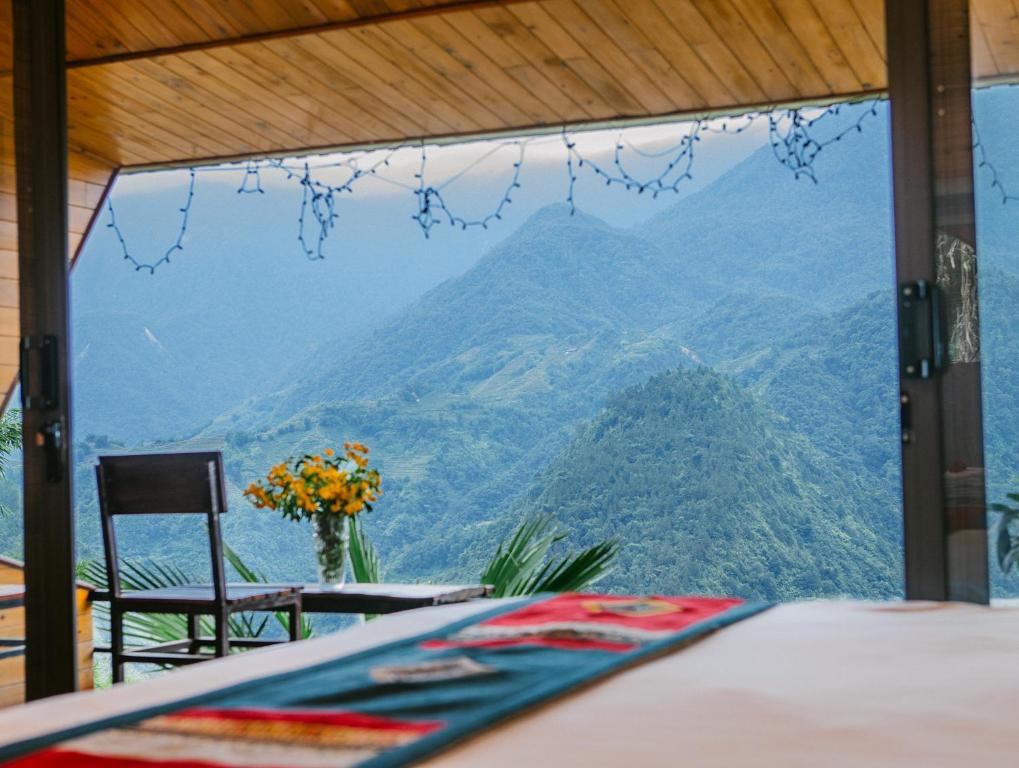
Lao Chải has fewer beds and fewer cafés than Tả Van, so evenings are quieter, and the views from the upper hamlets take in the whole valley floor. The 19 places listed here are family homestays and small bungalow lodges; Eco Palms House, with wooden bungalows set in the paddies, is the best-known. Guests are mostly trekkers on the first night of a two- or three-day route, couples and photographers. Wi-fi is basic and heating uncommon; ask whether a car reaches the house, because the lanes off the main road are steep and partly unpaved.
By taxi in 15–25 minutes (about 150,000–250,000 VND one way), by rented motorbike, or on foot: the day trek from Sapa passes Ý Linh Hồ and reaches Lao Chải in two to three hours before continuing to Tả Van. Lao Chải has the valley checkpoint, where the Mường Hoa entry ticket is paid in cash, about 75,000 VND per adult. There is no public bus and no ATM in the village.
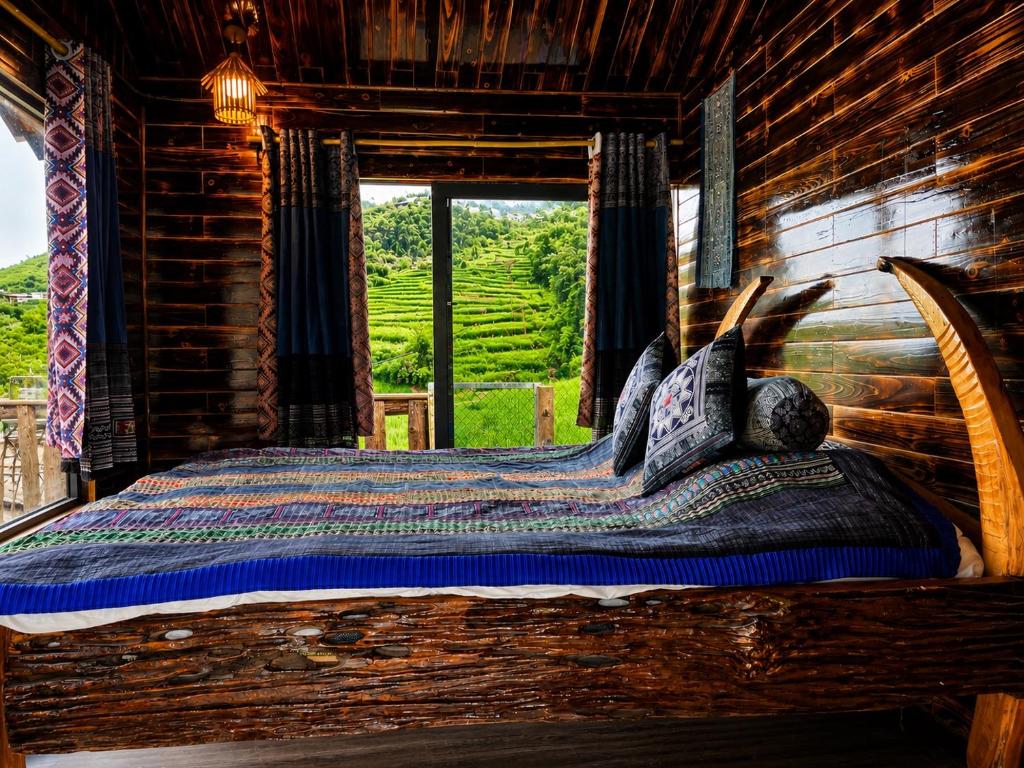
Most houses take guests in a shared wooden room under the roof or in a few private rooms with mattresses on the floor, mosquito nets and thick blankets; the bungalow lodges add a private bathroom, hot water and a terrace over the fields. Dinner and breakfast with the family are normally included – rice, vegetables, pork or chicken, spring rolls, rice wine – and there is little else to eat in the village, so plan for it. Hot water depends on the house's solar heater and the weather; heating is rare, so November to February means sleeping in layers. Cash only, and no ATM before Sapa town. On the two-day trek Lao Chải is the first night, Tả Van or Giàng Tả Chải the second; hosts arrange guides for the stretch across the stream to Tả Van (about an hour) and up to Hầu Thào on the far slope.
The terraces are flooded in April–May, green in June–July and golden from late August to the second half of September. Walks lead across the stream to Tả Van, up to Hầu Thào on the opposite slope, or back towards Ý Linh Hồ and the waterfalls above Cát Cát. In winter the valley is often in cloud, which is the season for "cloud hunting" from the ridges, but homestays are cold.
7–10 km by road, 15–25 minutes by taxi, or two to three hours on foot via Ý Linh Hồ.
Yes: the Lao Chải – Tả Van checkpoint sells the Mường Hoa valley ticket, about 75,000 VND per adult, cash only.
From most of them; the houses on the upper slope have the widest view, the ones by the stream are in the fields themselves.