Surelee Homestay & Sapa Trekking Tours by Local Path
Hau Thao · 6.3 km from the centre
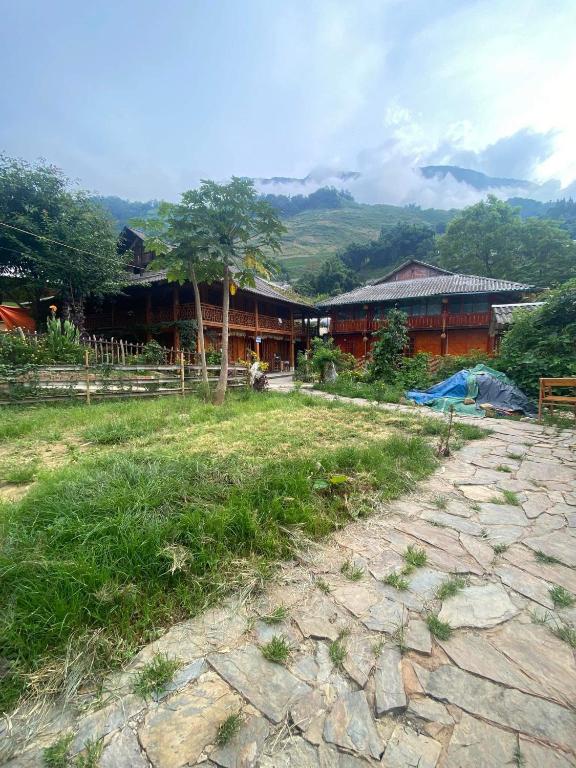
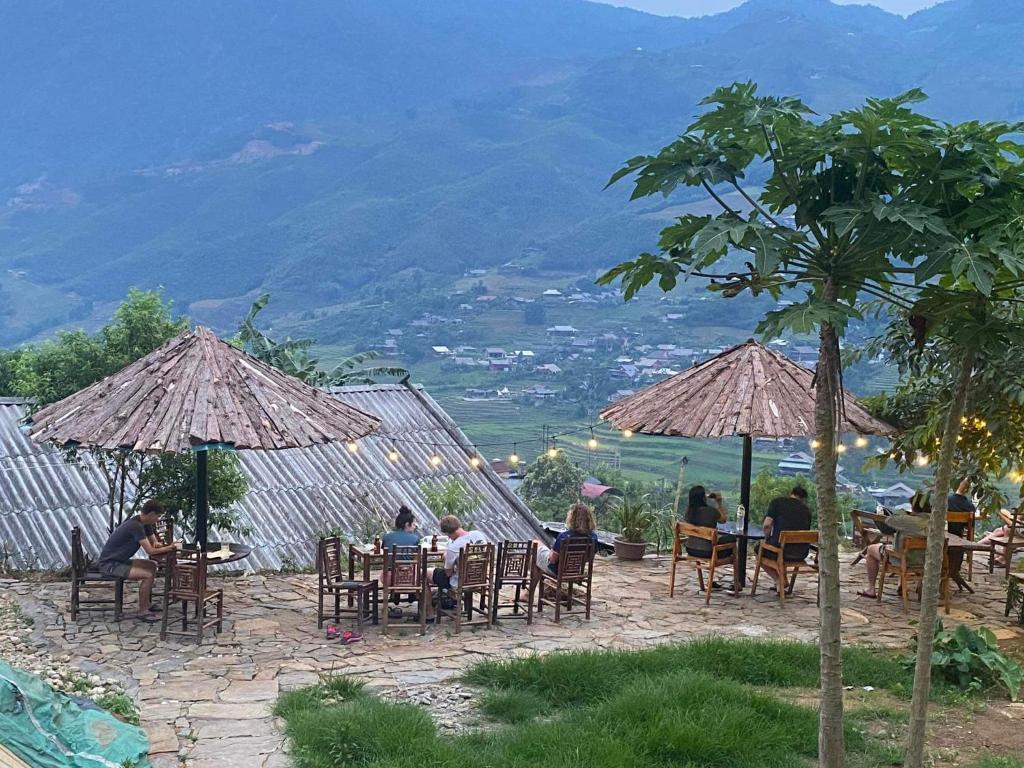
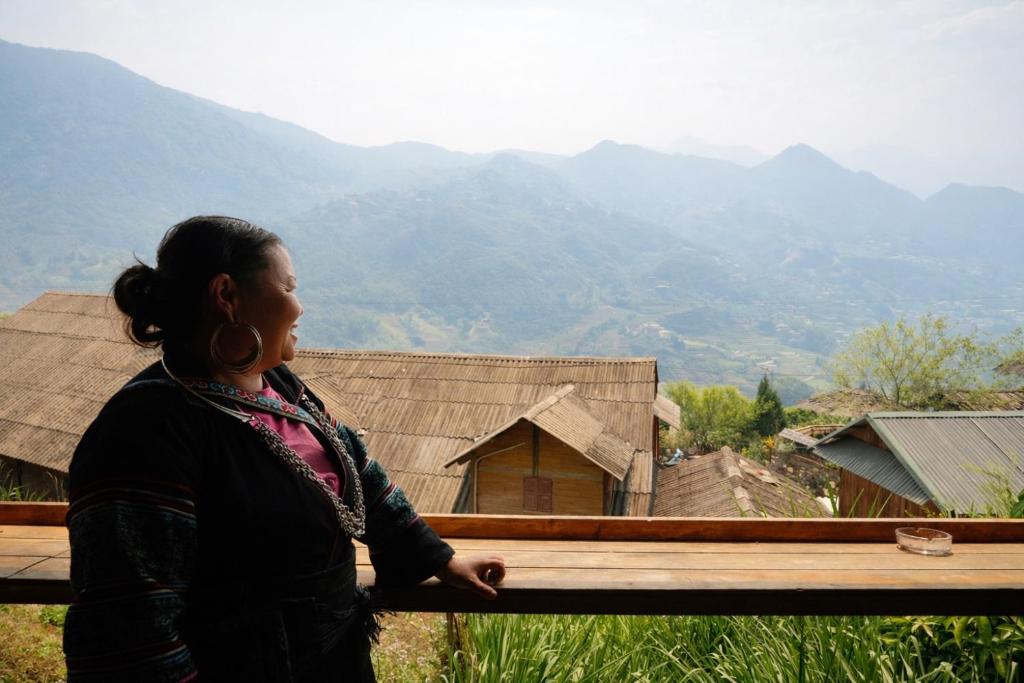
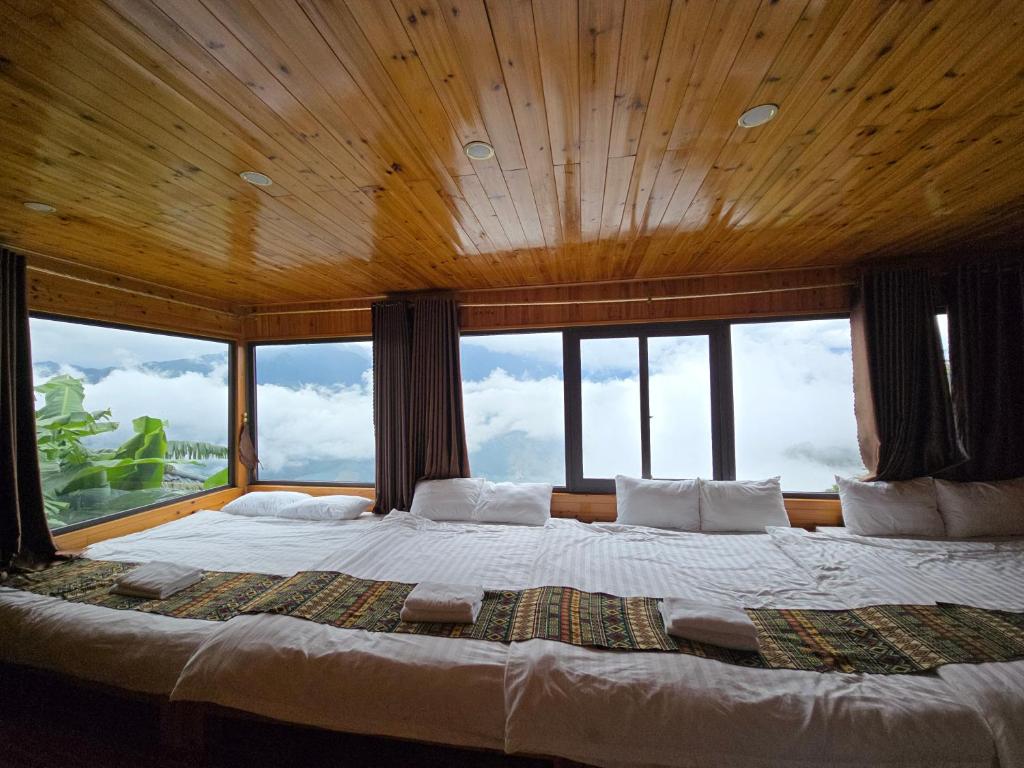
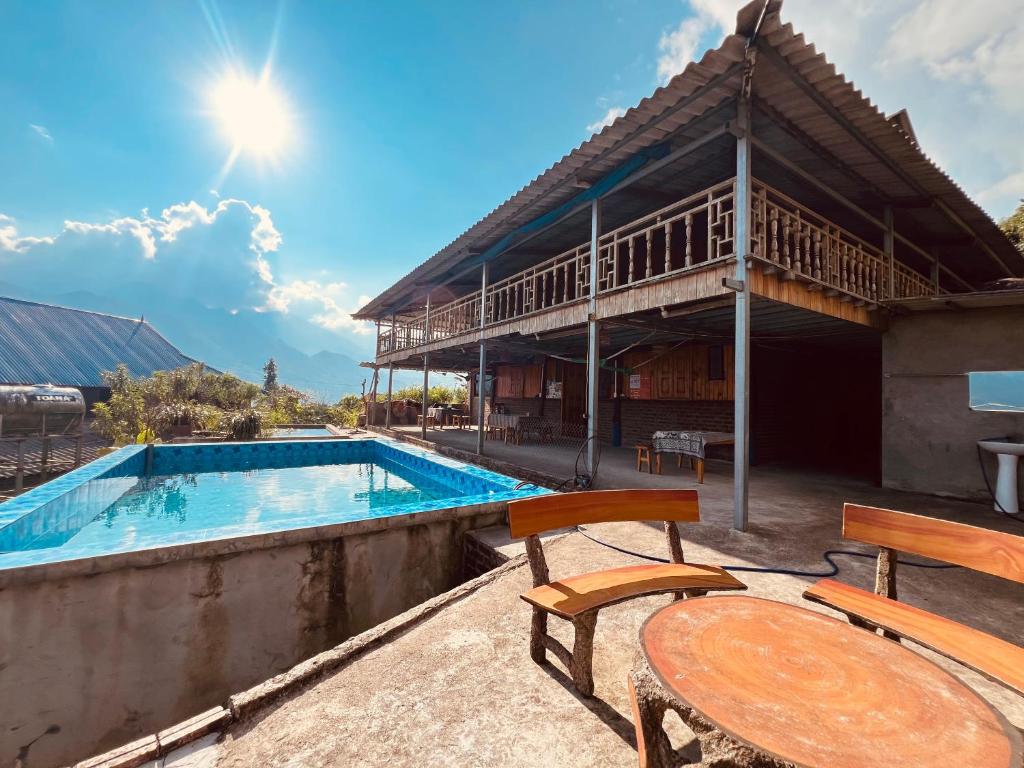
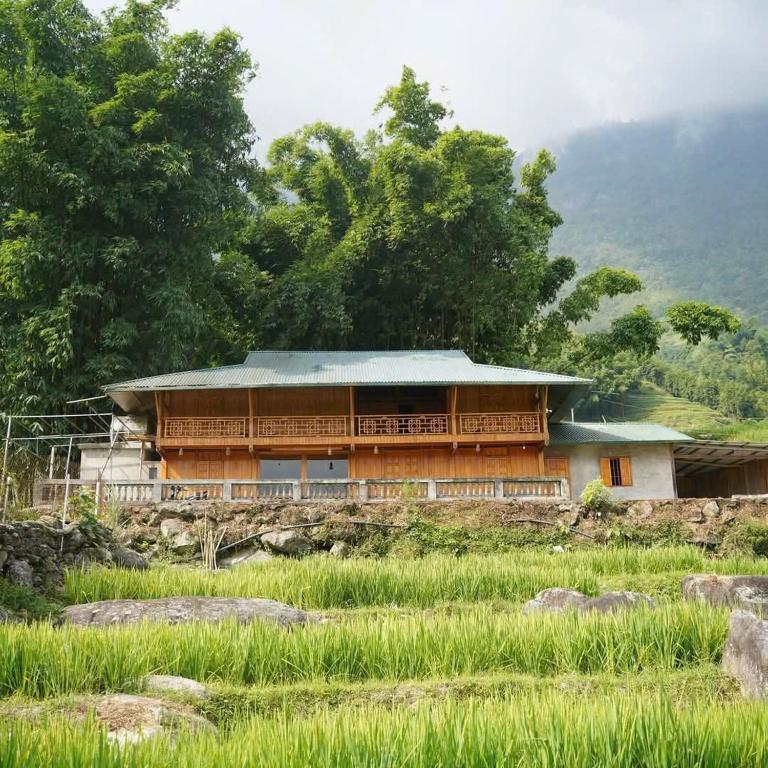
Surelee Homestay is a Hau Thao, Sa Pa village stay with Mường Hoa valley views, a restaurant offering varied dietary choices, and walking tours and hikes.
15 accommodations
Hau Thao · 6.3 km from the centre
Surelee Homestay is a Hau Thao, Sa Pa village stay with Mường Hoa valley views, a restaurant offering varied dietary choices, and walking tours and hikes.
Hau Thao · 6.3 km from the centre
A bed and breakfast in Hau Thao, Sa Pa, with family rooms, mountain and garden views, free bicycle use, a garden and breakfast choices.
Hau Thao · 6.5 km from the centre
A homestay in Hau Thao, Sa Pa, with mountain and garden views, trekking activities, outdoor spaces and vegetarian, vegan and Asian breakfast choices.
Hau Thao · 7.5 km from the centre
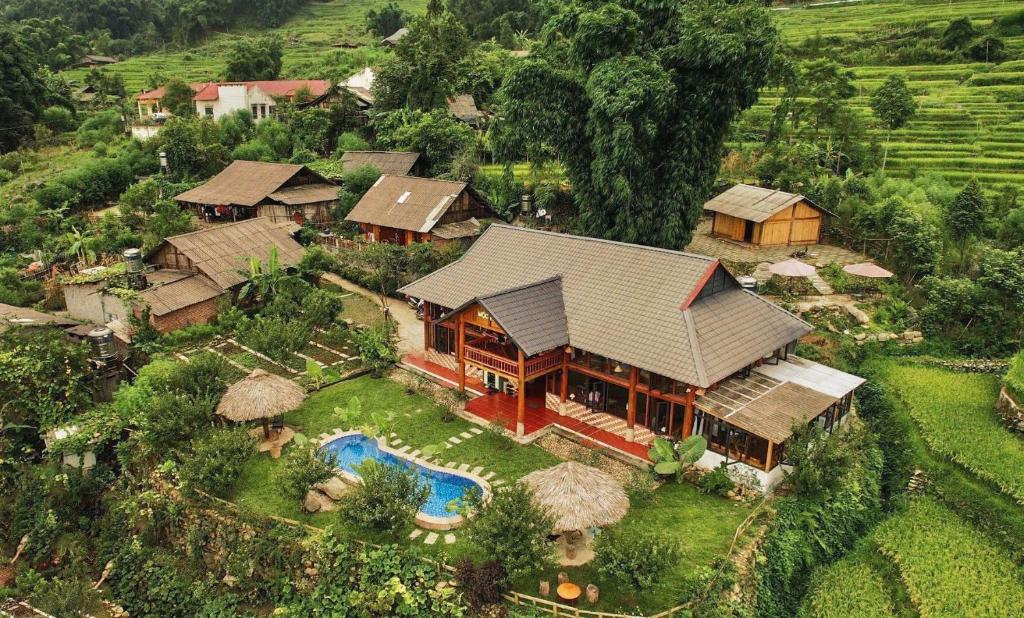
Moc Home Sapa is a Hau Thao homestay near Sa Pa, with rice-field and mountain views, an outdoor pool, local dining, shared kitchen and cycling activities.
Hau Thao · 7.1 km from the centre
MT House Sa Pa is a homestay in Hau Thao, with mountain and rice-terrace views, family rooms, Asian dining, walking tours and free private parking.
Hau Thao · 6.8 km from the centre
The Zen House Sapa is a homestay in Hau Thao, with valley views, family rooms, an on-site restaurant, varied breakfast choices and cooking classes.
Hau Thao · 6.8 km from the centre
A rural homestay in Hau Thao, Sa Pa, with mountain and rice-field views, private rooms and a mixed dormitory, family facilities, on-site dining and local activities.
Hau Thao · 6.1 km from the centre
A Hau Thao homestay in Sa Pa with garden and mountain views, shared and private bathroom room options, village activities, American and buffet breakfasts, and a free airport shuttl...
Hau Thao · 7.3 km from the centre
A lodge in Hau Thao, Sa Pa, with bungalows and a 12-person chalet, mountain and rice-terrace views, a restaurant, free airport shuttle and locally organised treks.
Hau Thao · 6.3 km from the centre
Chapi Dreamy Home is a Hau Thao homestay with mountain and garden views, multi-bedroom accommodation for groups, an on-site restaurant and trekking support.
Hau Thao · 7.2 km from the centre
An apartment in Hau Thao, Sa Pa, with a family room for six, garden views, a terrace, free private parking and daily vegetarian, vegan and Asian breakfast.
Hau Thao · 5.0 km from the centre
A lodge in Hau Thao, Sa Pa, with mountain-view rooms, family accommodation for up to eight, a restaurant and garden spaces near the Muong Hoa valley.
Hau Thao · 7.6 km from the centre
This country house in Hau Thao, Sa Pa, combines mountain-view rooms, an outdoor swimming pool, terrace space, free public parking nearby and pet-friendly stays in the Mường Hoa val...
Hau Thao · 7.3 km from the centre
Mama Chao homestay is a family-friendly stay in Hau Thao, Sa Pa, with garden and mountain views, a hot tub, patio and breakfast choices for varied diets.
Hau Thao · 7.3 km from the centre
Giao local homestay Sa Pa is a homestay in Hau Thao, with mountain and garden views, family rooms for up to four, Asian buffet breakfast and cultural activities.
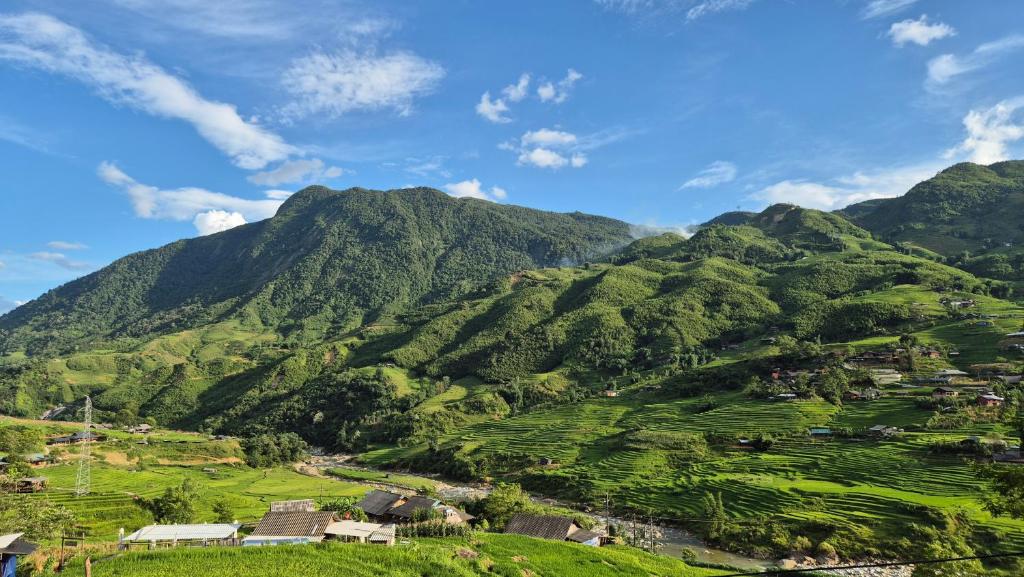
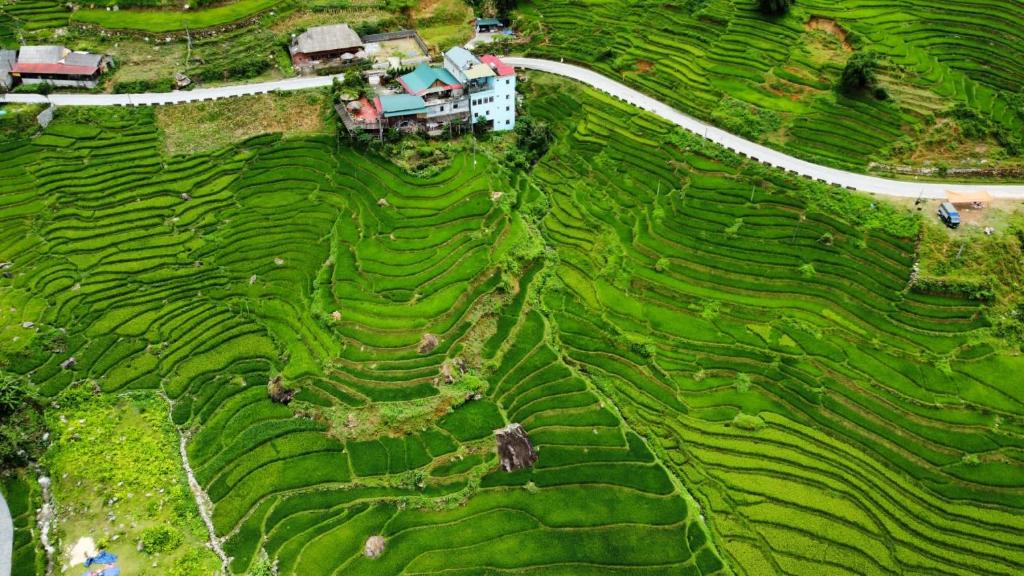
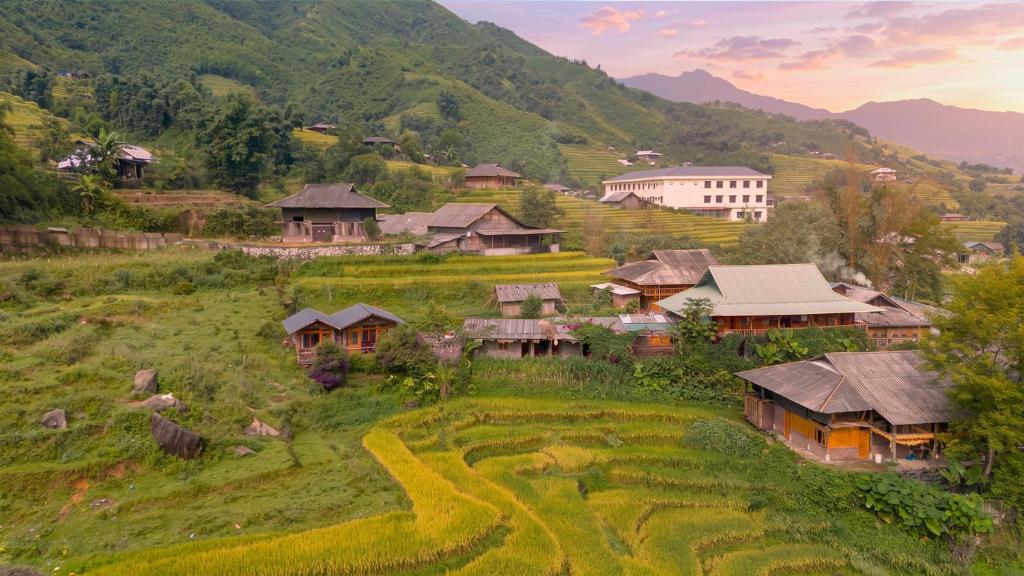
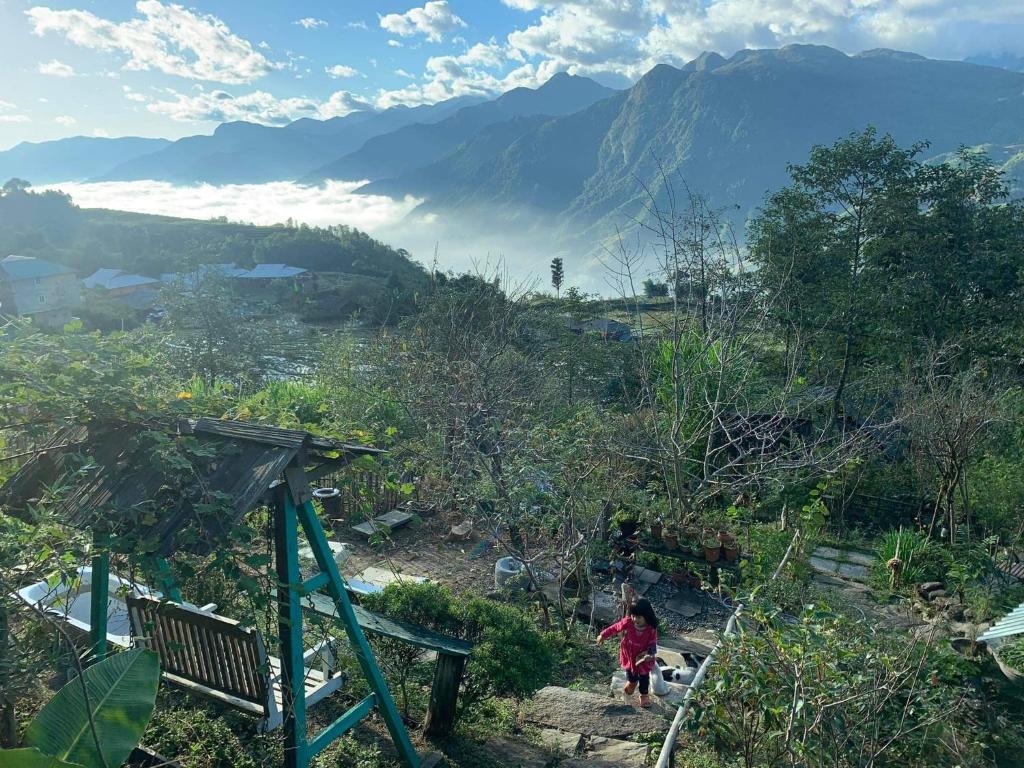
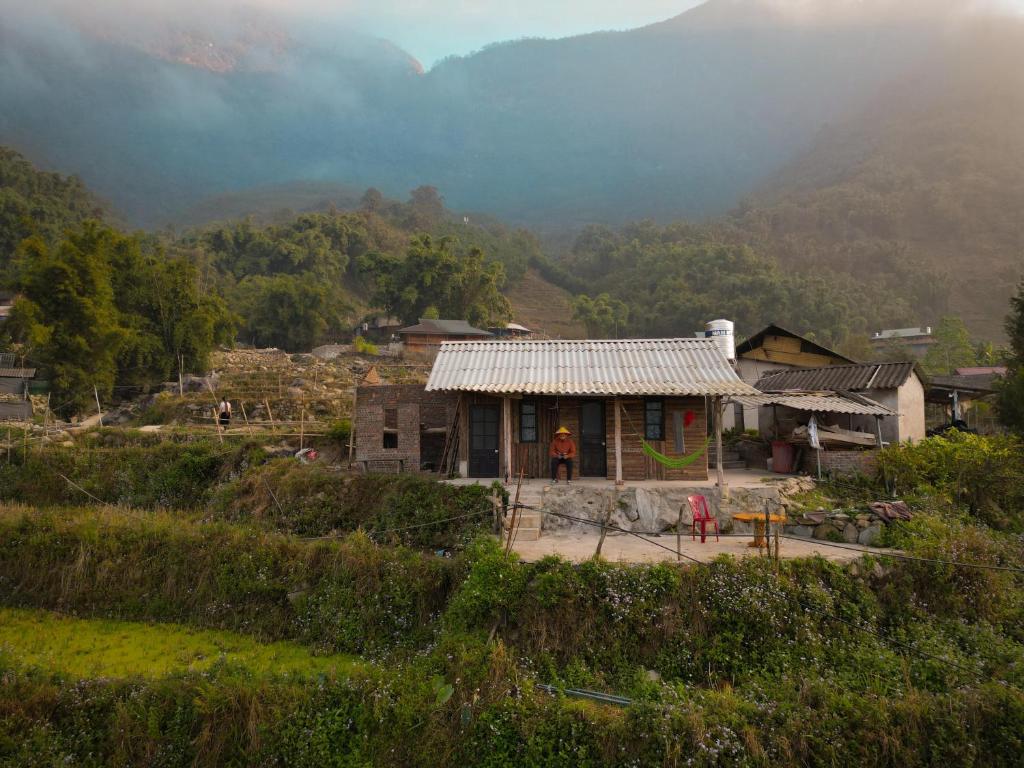
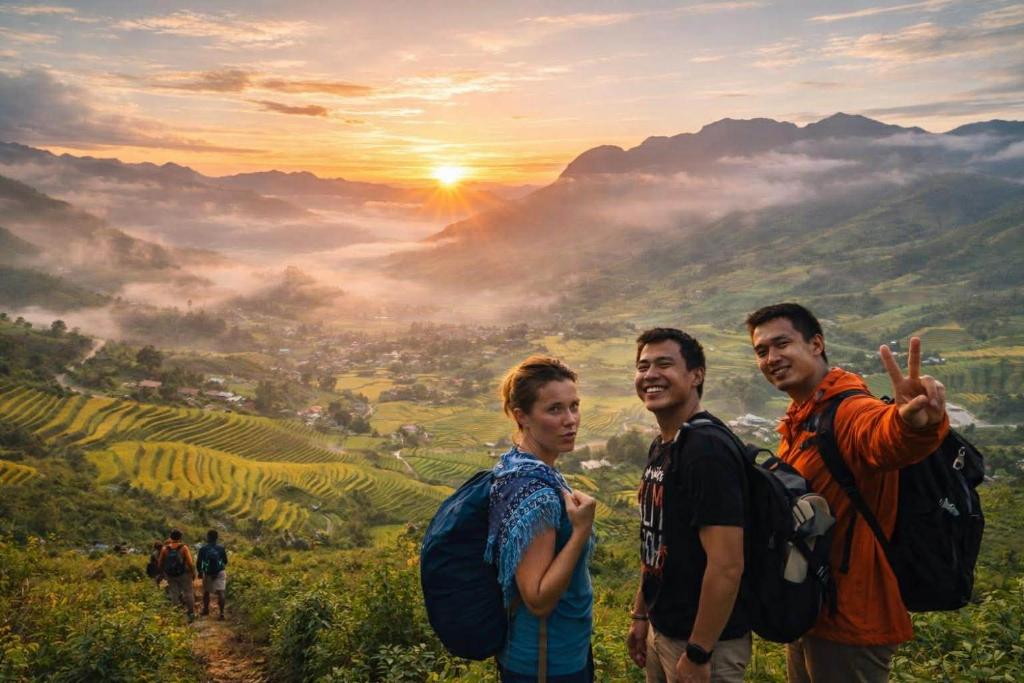
Hầu Thào is a Black Hmong village on the southern slope of the Mường Hoa valley, facing Lao Chải and Tả Van across the stream. It is 8–10 km from Sapa town by the direct road and 16–17 km if you drive round through Tả Van, and since 2025 it is part of the Tả Van commune together with its hamlets Hang Đá, Thào Hồng Dền and Sả Séng. The slope catches the morning sun and, from October to April, sits above the sea of clouds that fills the valley, which is why cafés and lodges with terraces have appeared here in the last few years.
The Sapa ancient rock field (bãi đá cổ), about 8 km² of boulders carved with lines, figures and terraces, first recorded by the French scholar Victor Goloubew in 1925 and a national historic relic since 1994, spreads across Hầu Thào, Sử Pán and Tả Van; the core site is closed for conservation, but a visitor centre operates nearby and carved stones stand along the trails. The other draws are the viewpoints at Hang Đá, a waterfall in the bamboo forest above the village and the terraces themselves.
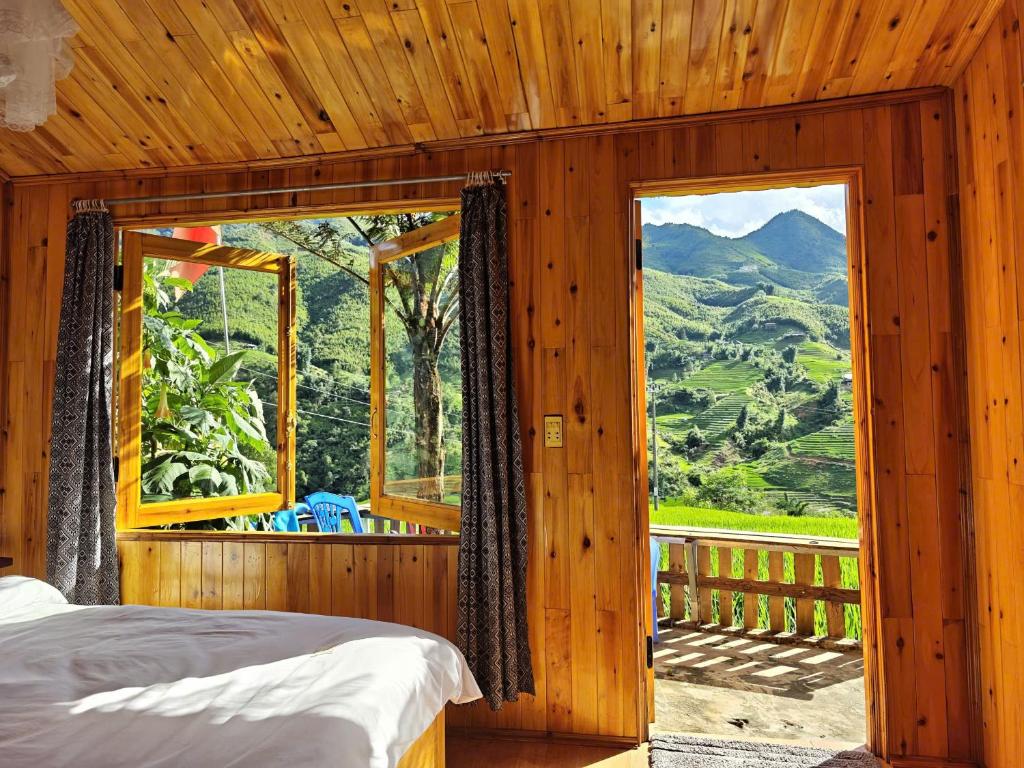
The 15 places listed are Hmong family homestays and a few eco-lodges built in wood, bamboo and thatch, Utopia Eco Lodge among them, with rooms that look straight across the valley. It is quieter than Tả Van, with fewer walkers passing, and suits couples, photographers and trekkers on the two-day route Hang Đá – Hầu Thào – Sử Pán – Bản Lếch. Meals are taken at the lodge; there is no restaurant strip, no ATM and no public transport.
By taxi from Sapa in 30–40 minutes, about 250,000–350,000 VND one way, or by rented motorbike (120,000–150,000 VND per day); the last stretch to the hamlets is steep. On foot, cross the stream from Lao Chải or Tả Van and climb for an hour. The valley ticket, about 75,000 VND, applies if you come through the Lao Chải checkpoint.
Day walks link the three hamlets – Hang Đá, Hầu Thào and Sả Séng – along the contour of the slope, with the carved stones, the waterfall and the Rock Cafe Garden viewpoint as the stops; count on two to four hours with a local guide. The two-day route Hang Đá – Hầu Thào – Sử Pán – Bản Lếch crosses the lower valley to the Red Dao hamlets and ends near Topas Ecolodge, with a night in a Sử Pán homestay. The stream crossing to Tả Van takes about an hour and puts you on the main valley road, where taxis and the cafés are.
September to April is the season here: gold terraces and clear air in September and October, the sea of clouds and occasional frost in November and December, blossom on the slopes from March to May. July and August are wet, the trails are slippery and the stream can be too high to cross. Whatever the month, the slope faces the morning sun, so plan viewpoints for early in the day and expect fog by mid-afternoon in winter.
The main site is closed for conservation until further notice; the visitor centre and several carved stones beside the trails in Hầu Thào and Sử Pán can be seen freely.
On calm mornings between October and April, most reliably in November and December.
Yes if you have a car or a guide; for a first night without transport, Tả Van or Sapa town is easier.