Sapana Mountain Retreat
Y Linh Ho · 3.2 km from the centre
A four-star hotel in Y Linh Ho, Sa Pa, with valley and mountain views, spacious family suites, a restaurant, spa facilities and outdoor spaces.
3 accommodations
Y Linh Ho · 3.2 km from the centre
A four-star hotel in Y Linh Ho, Sa Pa, with valley and mountain views, spacious family suites, a restaurant, spa facilities and outdoor spaces.
Y Linh Ho · 2.7 km from the centre
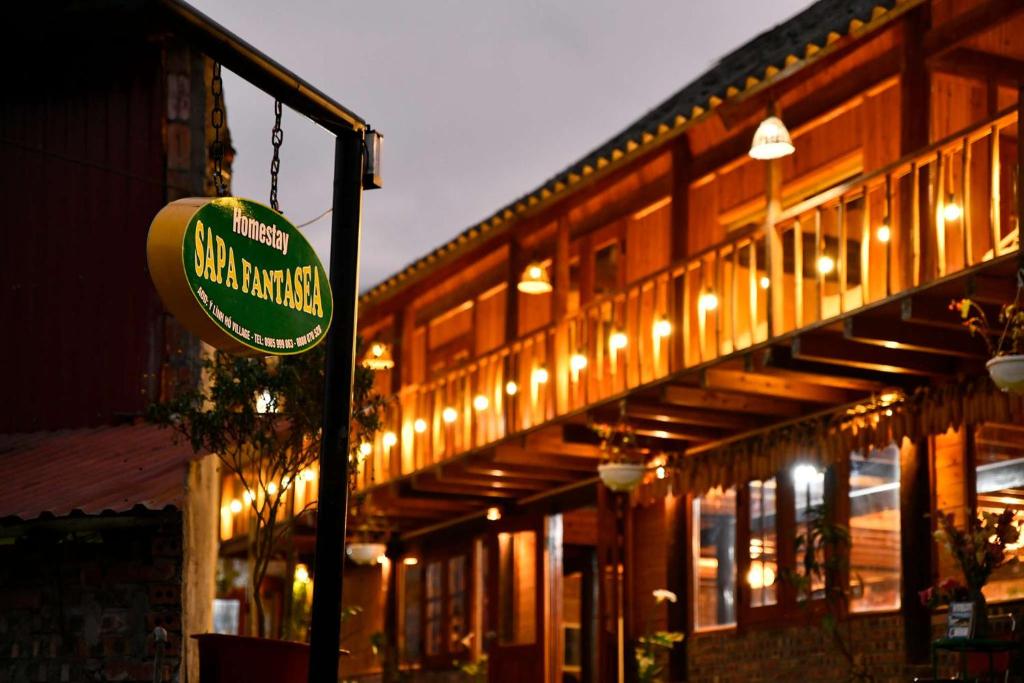
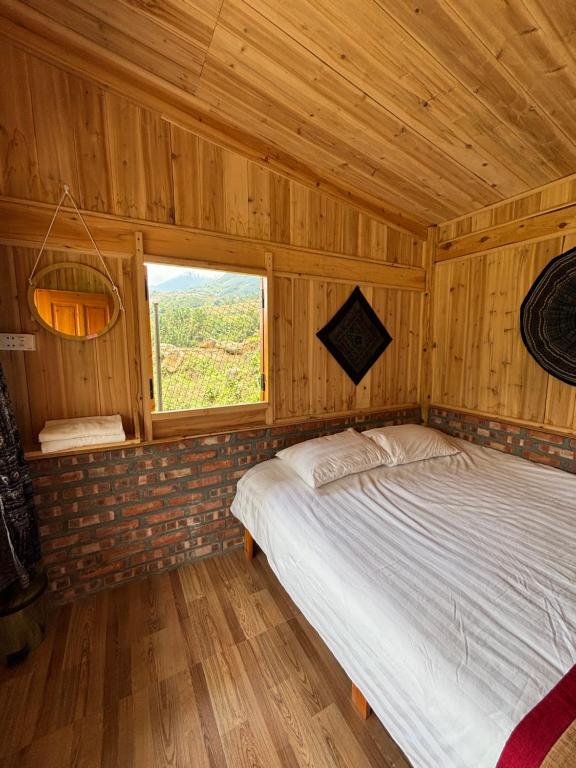
Sapa Fantasea Homestay is a village homestay in Y Linh Ho, Sa Pa, with garden-view rooms, two swimming pools, hiking access and Asian breakfast.
Y Linh Ho · 2.8 km from the centre
A guest house in Y Linh Ho, Sa Pa, with mountain and garden views, a terrace, daily vegetarian à la carte breakfast, free private parking and welcoming hosts.
Ý Linh Hồ is a Black Hmong village about 7 km south-west of Sapa town, on the western side of the Mường Hoa valley between Cát Cát and Lao Chải. It has no entrance ticket, no shows and no shops, and is the first village on the classic trek from Sapa to Tả Van, so most people pass through it at mid-morning and see a handful of wooden houses, buffalo, hemp drying on the fences and the terraces falling towards the stream. Since 2025 it belongs to the Tả Van commune.
Walkers who want the valley without the traffic of Tả Van, and travellers on a budget: the 3 homestays here charge roughly 250,000–350,000 VND per person including dinner and breakfast, with shared rooms or simple private ones, a wood fire in winter and slow wi-fi. There are no cafés or restaurants; you eat where you sleep. Couples looking for a bungalow with a hot tub should look at Tả Van or Lao Chải instead.
On foot from Sapa in about two hours via Cát Cát, or as the first stop of the guided valley trek (Sapa – Ý Linh Hồ – Lao Chải – Tả Van, 10–12 km, 4–6 hours). By motorbike or taxi the last part of the road is steep and partly unpaved; ask the host whether a car can reach the house, and expect 200,000–300,000 VND for a taxi from town. No public bus.
The homestays are Hmong family houses of wood with a raised sleeping platform or a couple of partitioned rooms, thick blankets, and a fire in the hearth from November to March; the bathroom is usually a shared room at the back with a squat toilet and a shower that may or may not be warm. Dinner is cooked by the family and eaten together – rice, stir-fried vegetables from the garden, pork or chicken, tofu, sometimes home-made rice wine – and breakfast is pancakes or noodles before the guide arrives. Evenings are dark and quiet; there is no shop for snacks or beer, so buy what you need in Sapa. Bring a head torch, cash (there is no ATM anywhere in the valley) and, between November and February, warm layers to sleep in.
They are neighbours on the same side of the valley but opposites in character. Cát Cát has a ticket gate, paved paths, shows and shops, and bungalow hotels with heating and hot water 15 minutes from town; Ý Linh Hồ has none of that, only farming families, terraces and the trail. Choose Cát Cát for comfort and an easy first evening; choose Ý Linh Hồ if you are walking the valley and want to sleep somewhere that still works as a village. The trail between them takes about an hour and a half.
April–May for flooded terraces, September for the golden harvest, October to April for the sea of clouds above the valley on clear mornings. In the rains of July and August the trails are slippery and stream crossings can be difficult.
No; the valley ticket is charged further on at the Lao Chải checkpoint if you continue towards Tả Van.
About 7 km, two hours on foot via Cát Cát or 20–30 minutes by motorbike.
Yes, the homestays take direct bookings, but a guide is useful for the onward trails, which are not signposted.