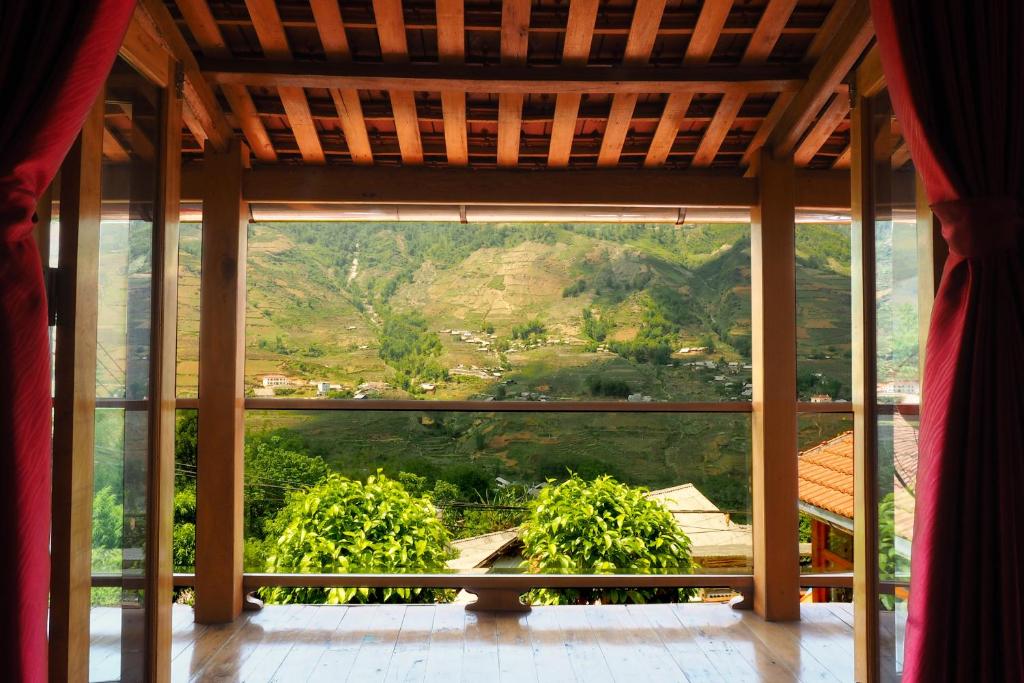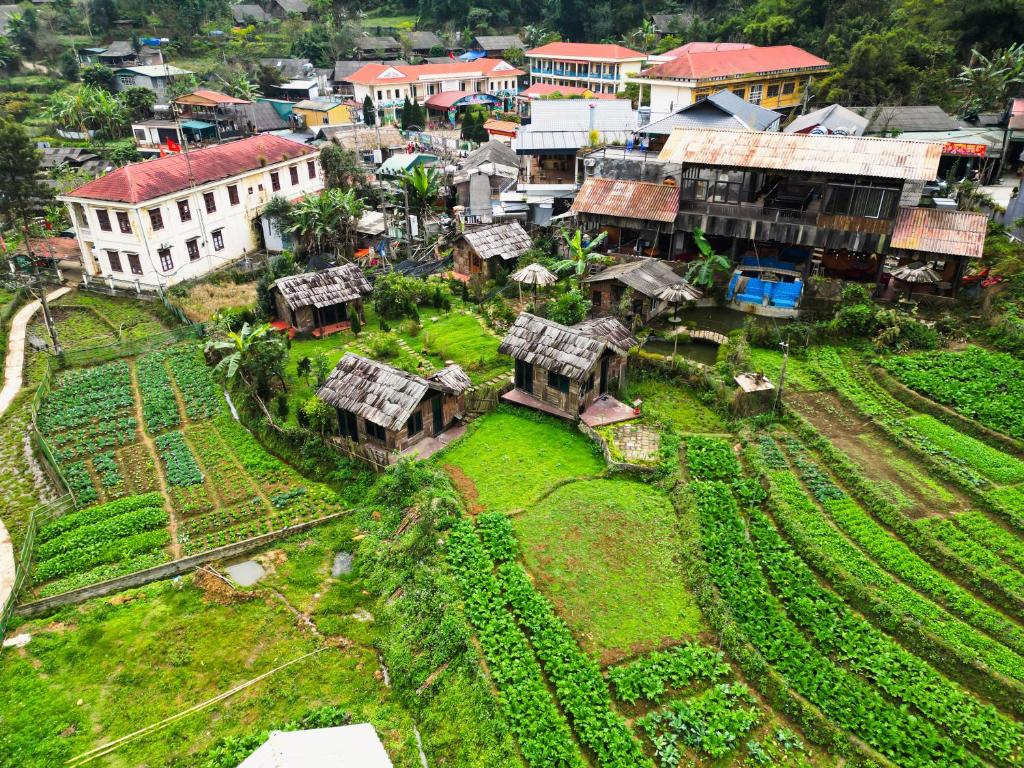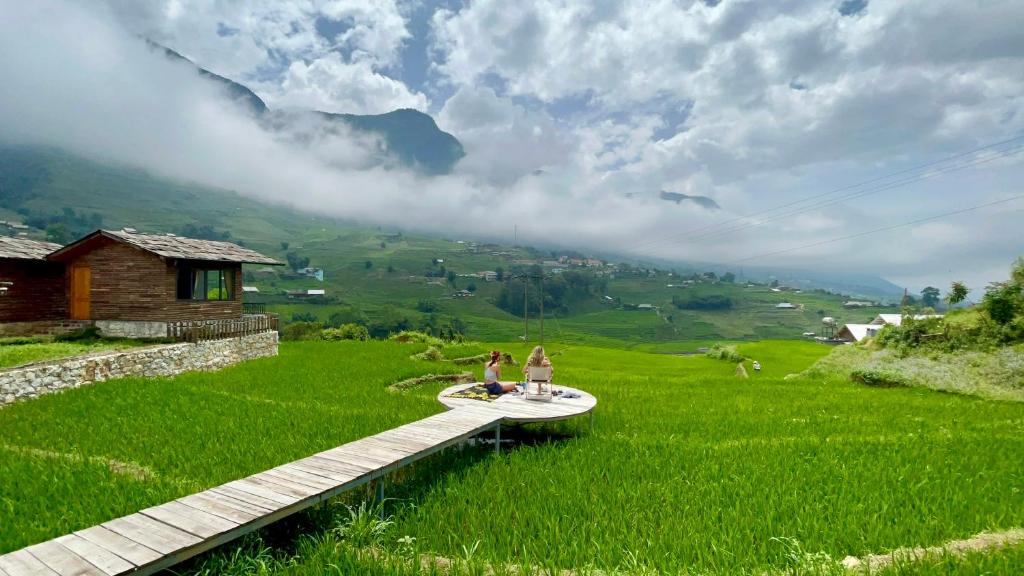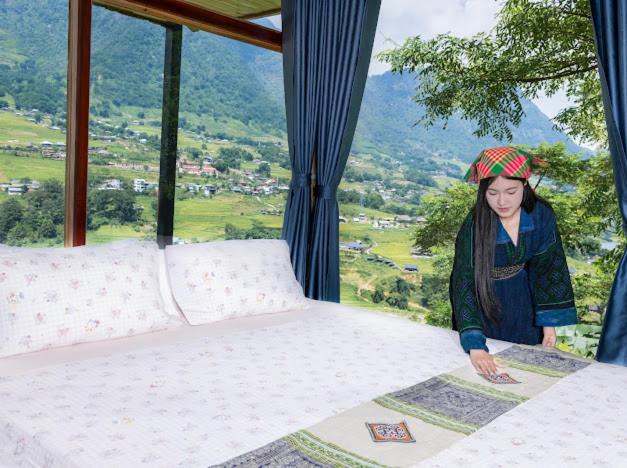
Hmong house Sapa
Ta Van · 6.8 km from the centre
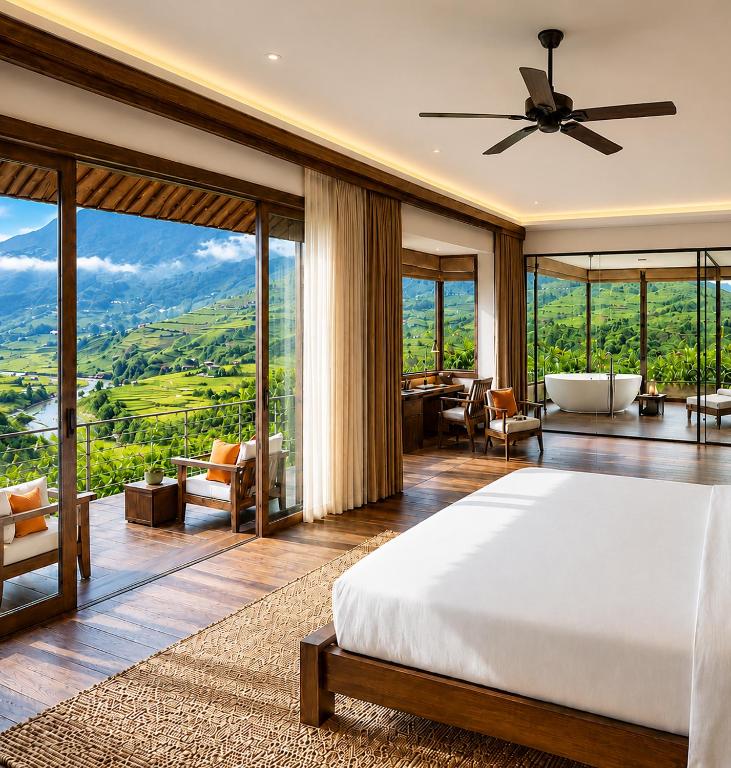
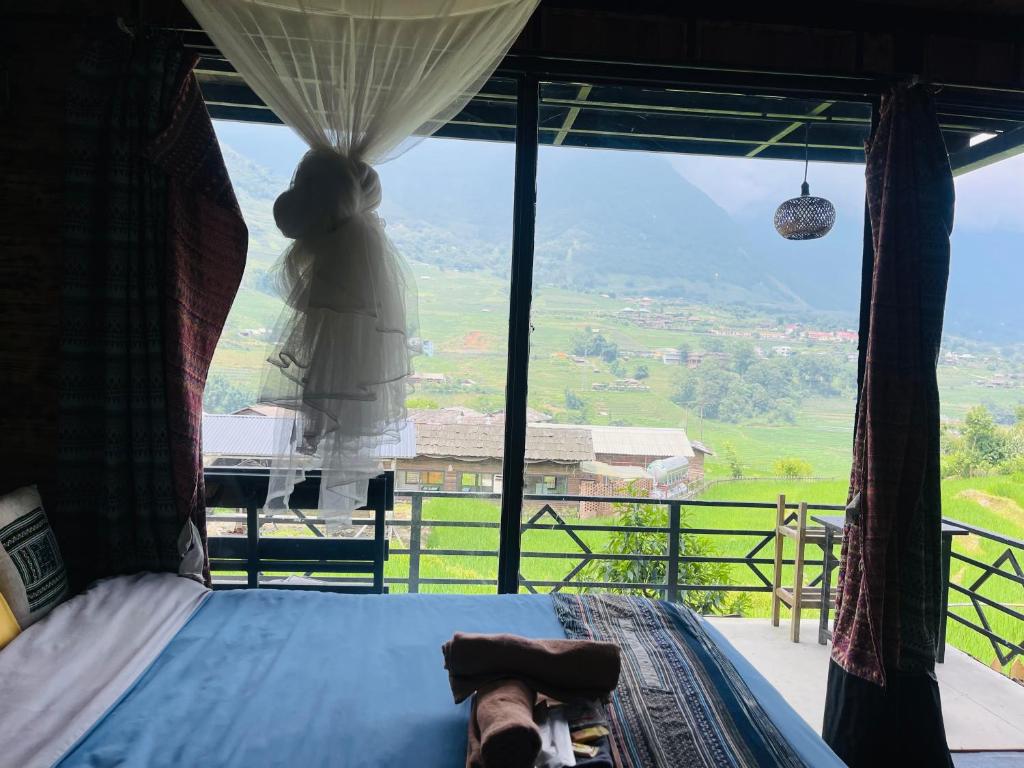
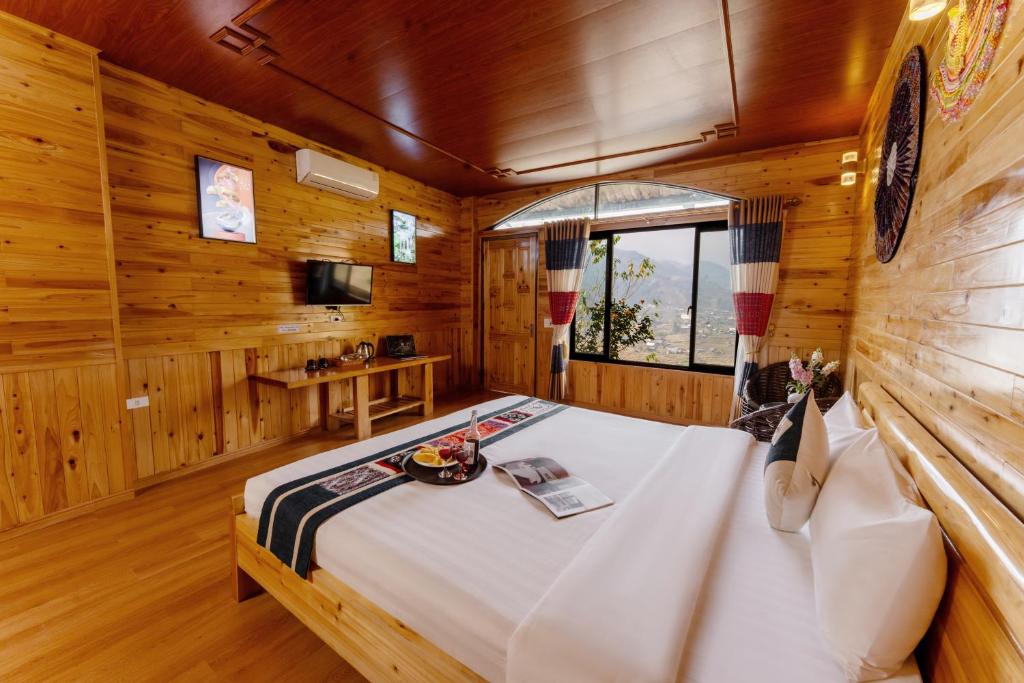
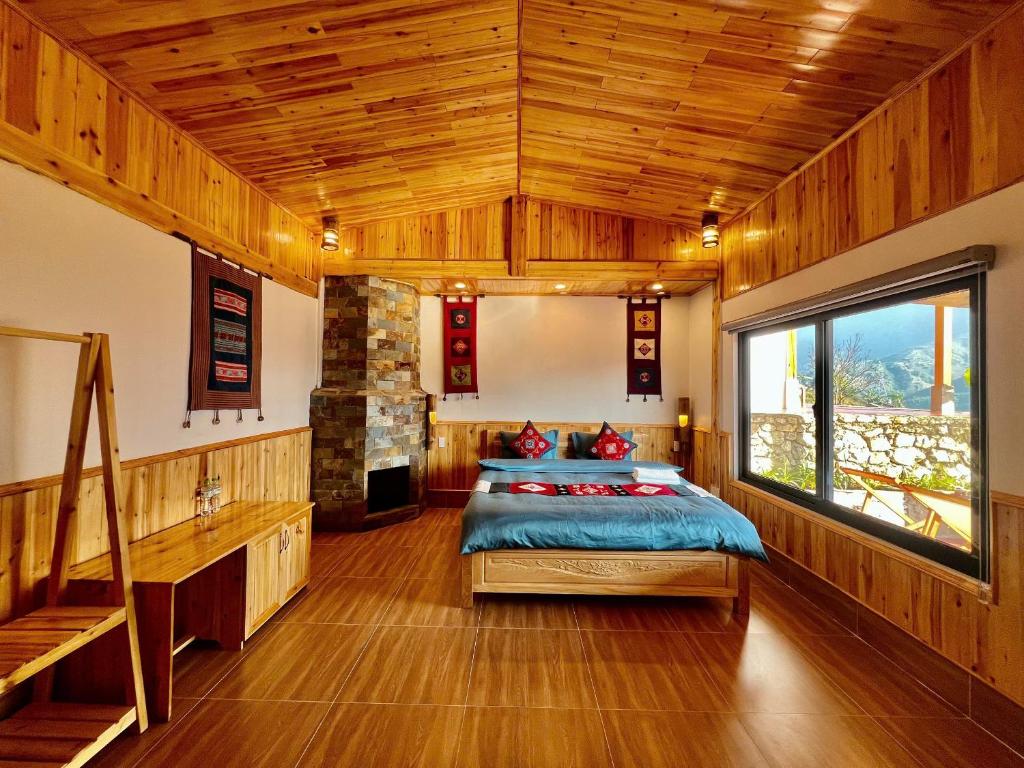
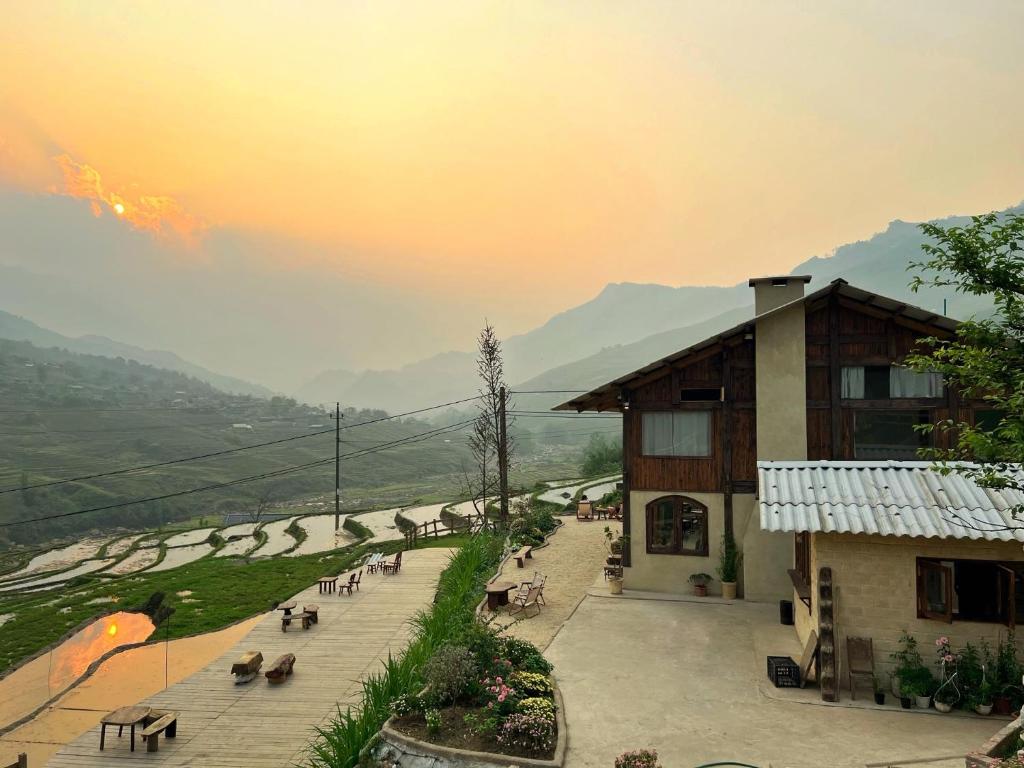
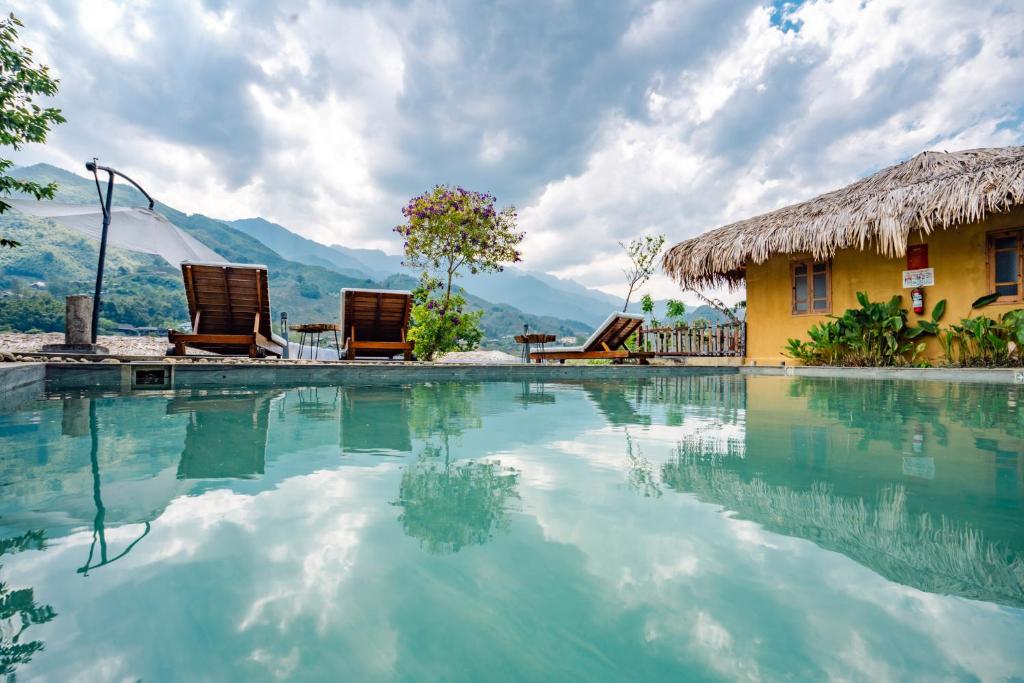
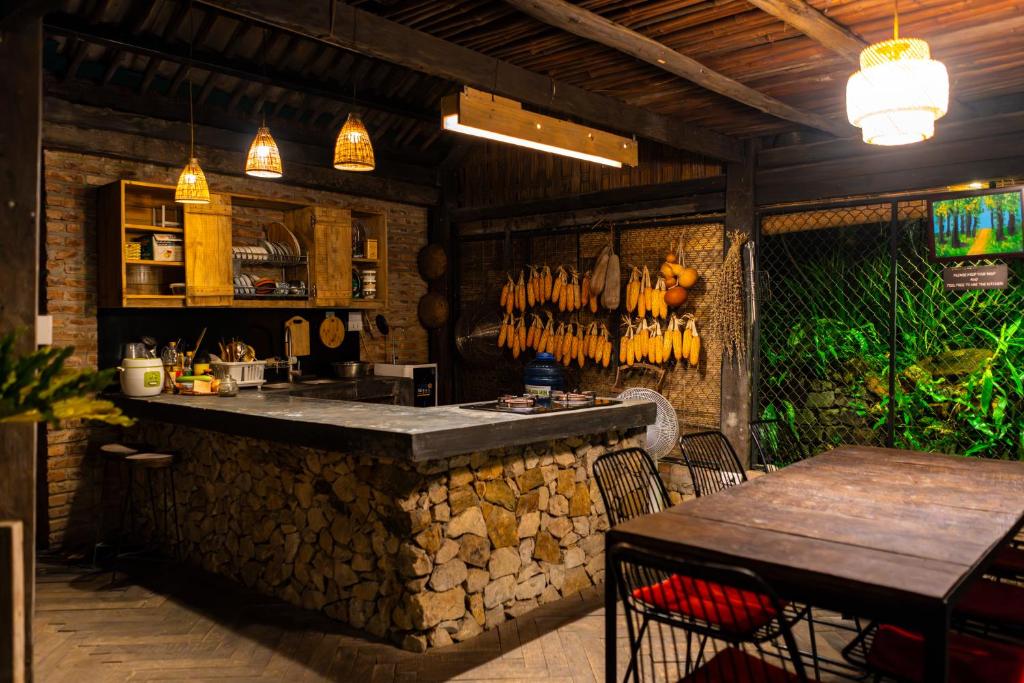
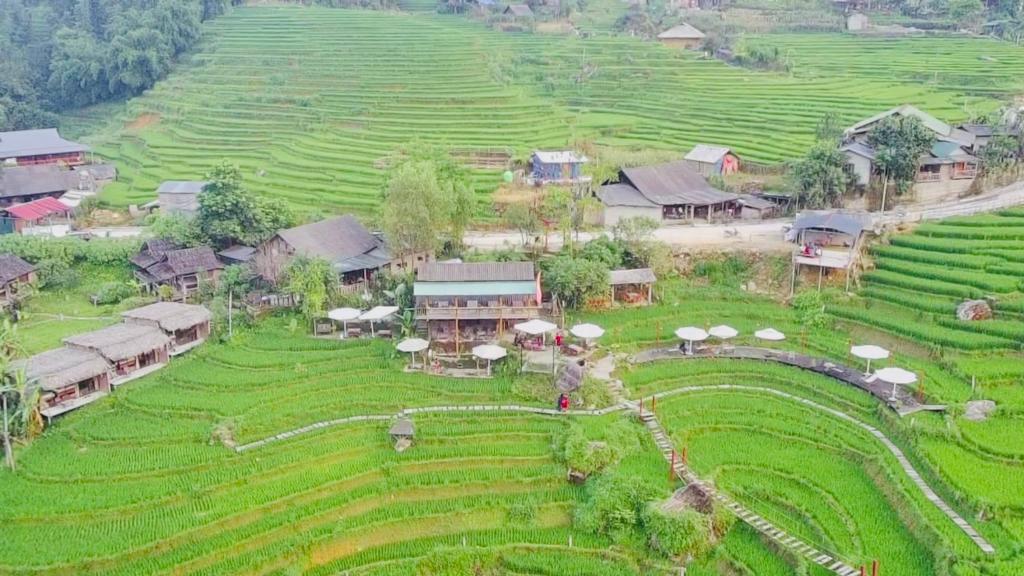
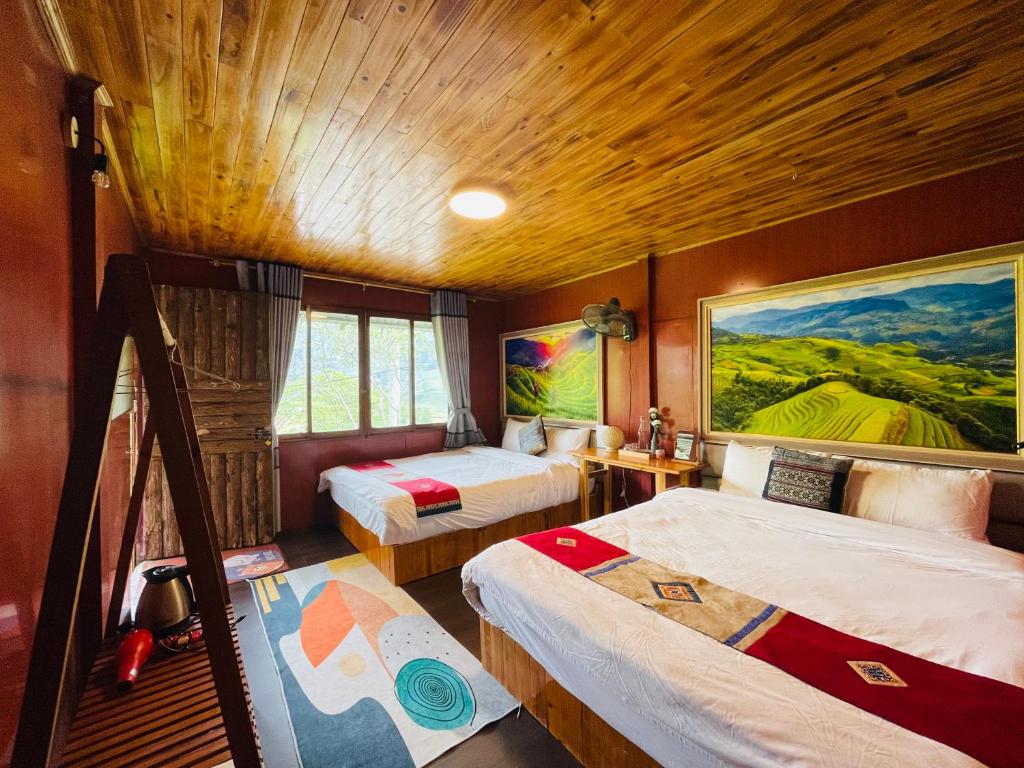
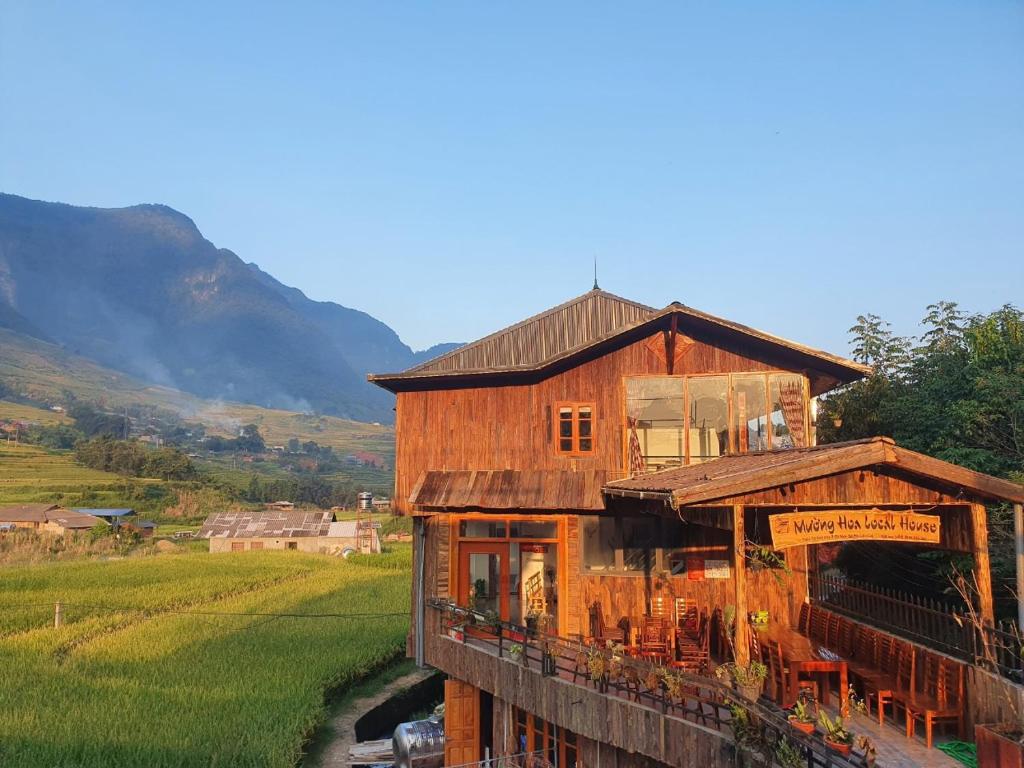
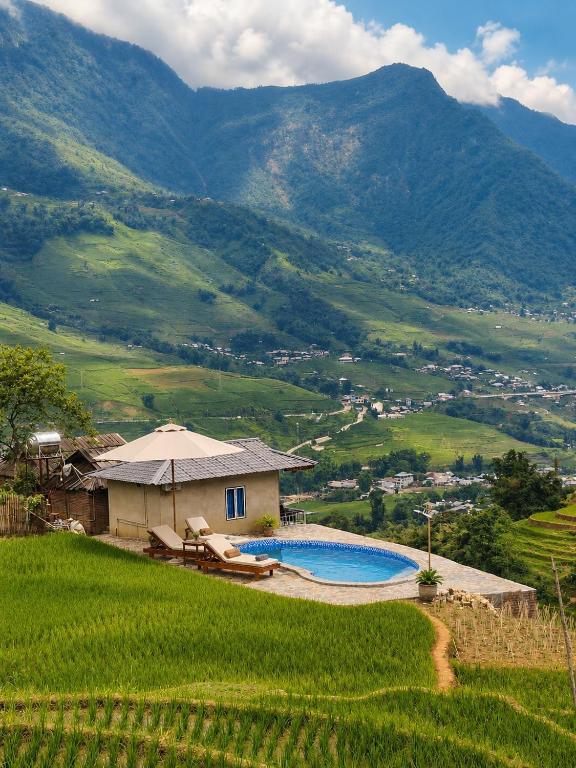
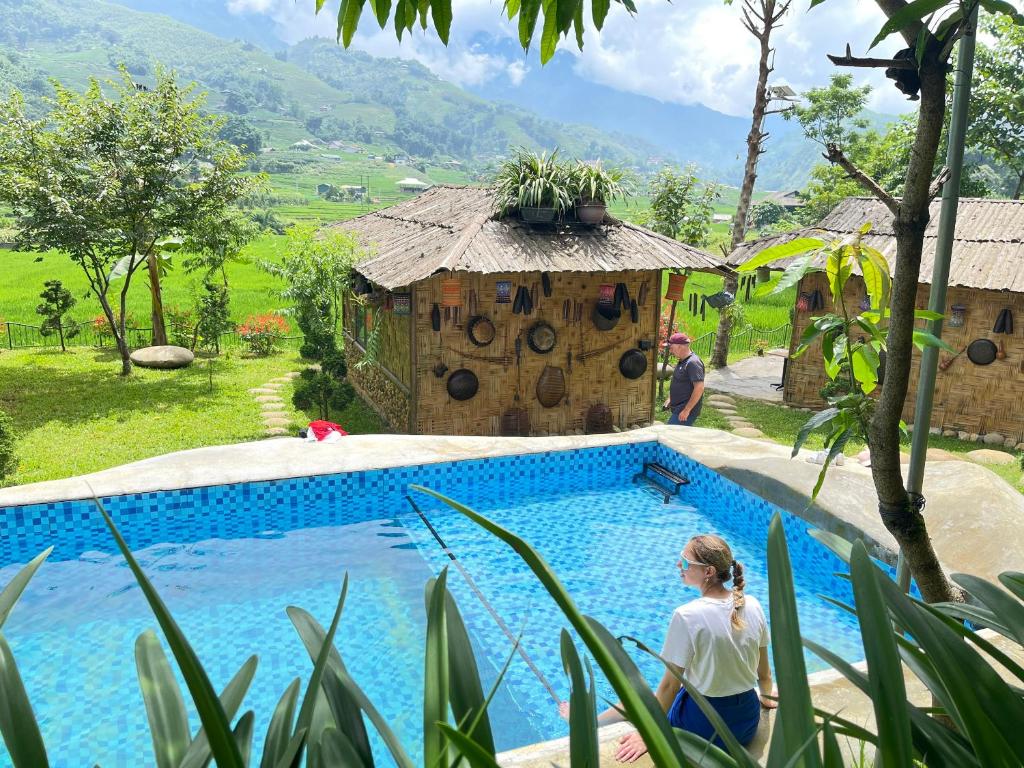
Hmong house Sapa is a Ta Van homestay with rice-field and mountain views, family-style dining, local tours, a garden terrace and free private parking.
52 accommodations
Ta Van · 6.8 km from the centre
Hmong house Sapa is a Ta Van homestay with rice-field and mountain views, family-style dining, local tours, a garden terrace and free private parking.
Ta Van · 5.9 km from the centre
En Hotel Sapa is a 3-star hotel in Ta Van, Sa Pa, with mountain-view rooms, a rooftop pool, family accommodation, on-site dining and access to valley trails.
Ta Van · 5.7 km from the centre
A Ta Van lodge in Sa Pa with a scenic pool, garden and spa, offering bungalows and family rooms with mountain, river, pool or garden views.
Ta Van · 5.7 km from the centre
Madame View Homestay is a bed and breakfast in Ta Van, Sa Pa, with valley-view balconies, family bungalows, an infinity pool and a choice of breakfast styles.
Ta Van · 5.8 km from the centre
A Ta Van homestay with bungalow and family rooms, garden and valley views, an on-site restaurant, outdoor spaces and free private parking.
Ta Van · 6.6 km from the centre
A hotel in Ta Van, Sa Pa, with mountain and valley views, family accommodation, garden terraces, local dining, and access to walking tours and rice-terrace routes.
Ta Van · 5.4 km from the centre
A 3-star hotel in Ta Van, Sa Pa, with mountain-view rooms, family suites, an on-site restaurant, wellness facilities and free private parking among the Muong Hoa Valley terraces.
Ta Van · 7.1 km from the centre
Sapa Hmong Bungalow Homestay is a Ta Van homestay with mountain and rice-terrace views, a family room for four, in-room buffet breakfast and organised treks.
Ta Van · 7.4 km from the centre
DE MONG SAPA is a Ta Van homestay with garden and mountain views, private bathrooms, a restaurant serving local and Asian dishes, and generous outdoor spaces.
Ta Van · 5.7 km from the centre
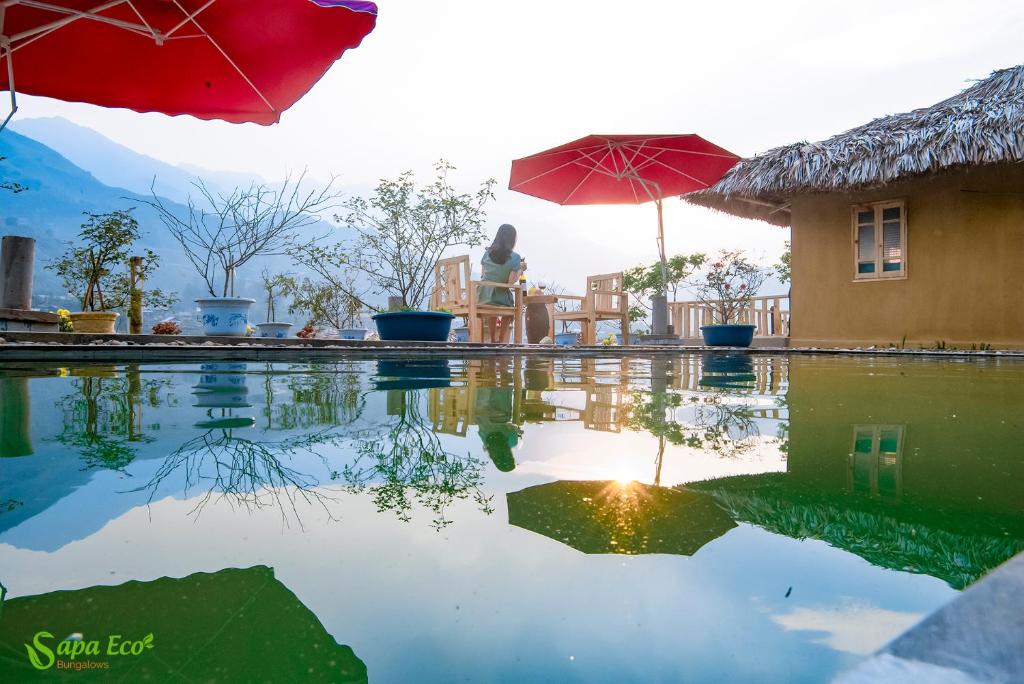
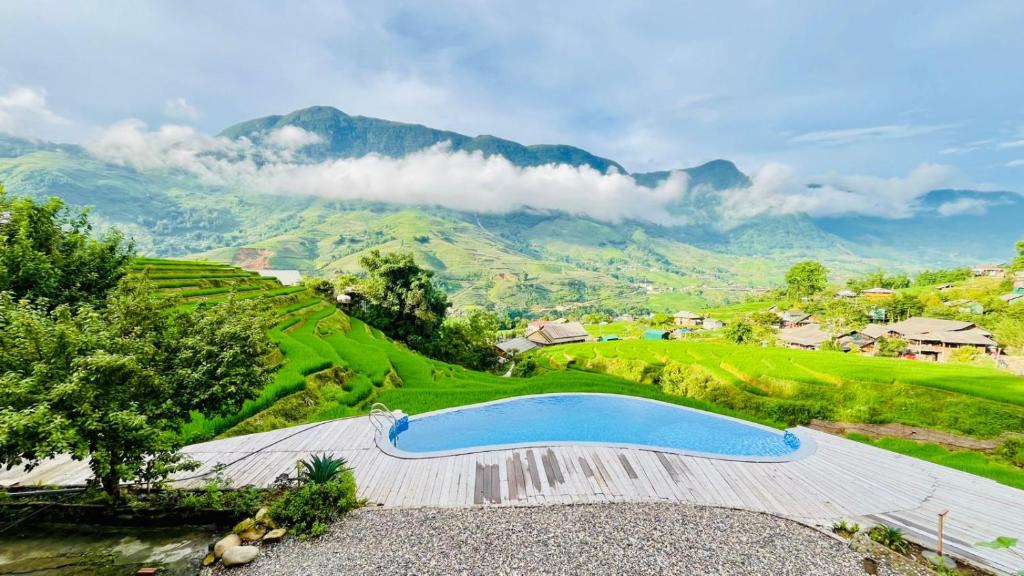
Sapa Eco Homestay is a Ta Van homestay with mountain and rice-field views, bungalow accommodation, a swimming pool, free bicycles and vegetarian or Asian breakfast options.
Ta Van · 6.5 km from the centre
A Ta Van homestay with garden-view rooms, terraces and a 200 m² family bungalow for up to 12 people, plus hosts who help with local advice and transport.
Ta Van · 5.7 km from the centre
A hotel in Ta Van, Sa Pa, with mountain and river views, family rooms and bungalows, a garden, guided activities and free private parking by reservation.
Ta Van · 5.7 km from the centre
Sapa Eco Hugo is a bed and breakfast in Ta Van, with mountain-view rooms, family bungalows, a garden and restaurant in the Mường Hoa valley.
Ta Van · 6.1 km from the centre
A Ta Van hotel with mountain-view rooms, family accommodation, garden spaces, on-site dining, bike activities and free private parking in the Mường Hoa valley.
Ta Van · 5.3 km from the centre
Best View Homestay is a Ta Van homestay with rice-terrace views, an outdoor pool, family room options and trekking tours in the Mường Hoa valley.
Ta Van · 5.6 km from the centre
Sapa Bamboo Eco is a country house in Ta Van, Sa Pa, with valley-view bungalows, a swimming pool, on-site dining and a family bungalow for up to five.
Ta Van · 7.4 km from the centre
Sapa Tranquilla is a Ta Van homestay with mountain and garden views, family rooms, kitchen access and an eight-bedroom holiday home for larger groups.
Ta Van · 6.5 km from the centre
Luckydaisy Buffalo House is a Ta Van homestay with family rooms, mountain views, a restaurant and outdoor activities in the Muong Hoa valley.
Ta Van · 5.9 km from the centre
Mina eco home is a Ta Van bed and breakfast with mountain-view bungalows, an on-site restaurant, varied breakfast choices, a garden and free nearby parking.
Ta Van · 6.7 km from the centre
S Plus Bungalow is a Ta Van campsite with garden-view bungalows, family layouts, a restaurant and outdoor activities, set among the villages and rice terraces of Mường Hoa valley.
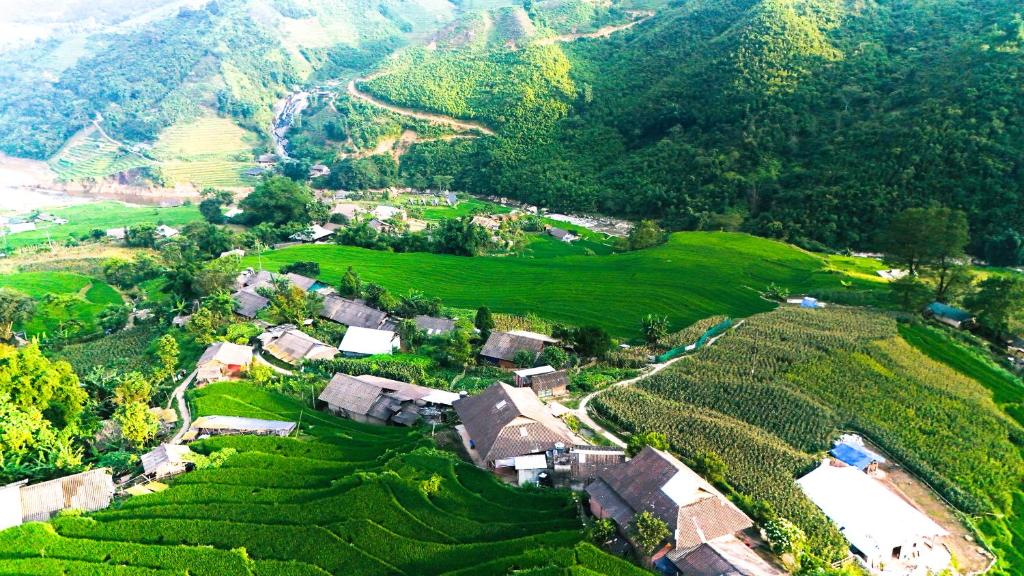
Tả Van is a valley village 10–12 km south-east of Sapa town, 25–40 minutes by car down a narrow paved road, and the place most travellers mean when they say they want to "sleep in the villages". The oldest hamlet, Tả Van Giáy, has been settled by the Giáy people for more than 300 years; Hmong and Red Dao families live in the hamlets above it. In July 2025 the South China Morning Post listed Tả Van among the six most beautiful villages in Asia. Since 1 July 2025 it is also the seat of the merged Tả Van commune, which now covers Lao Chải, Hầu Thào, Sử Pán and Ý Linh Hồ as well.
Choose Tả Van if the point of the trip is the terraces: you wake up inside them, the day-trippers leave by late afternoon, and dinner is cooked by the family or in one of the valley cafés such as Lá Dao or Sa Mộc. Choose Sapa town if you need heating, a hot shower with pressure, restaurants to choose from and a bus at the door. Tả Van is calmer and less staged than Cát Cát but far from undiscovered: on golden-season weekends the main lane fills with trekking groups, and a building crackdown since July 2025 (93 violations logged, several bungalows demolished) shows how fast it has grown. A common plan is one night in town and one in Tả Van.
The 52 places listed here range from community rooms and family homestays at a few hundred thousand dong per person with dinner and breakfast, to private bungalows among the paddies and boutique lodges with hot tubs and valley views. Eco Palms House, 2 km up the valley in Lao Chải, and the lodges on the Tả Van slope are the ones with the most space and the best terraces. Wi-fi works but is not fast, heating is rare below the lodge level, and the road to hillside homestays can be rough, so check whether a car reaches the door or whether the host meets you with a motorbike.
There is no public bus. A taxi or hotel car costs about 250,000–350,000 VND one way; a rented motorbike 120,000–150,000 VND per day; or you walk: the classic trek Sapa – Ý Linh Hồ – Lao Chải – Tả Van is 10–12 km and 4–6 hours with a guide (200,000–300,000 VND), ending at your homestay. At the valley checkpoint before Lao Chải you pay the Mường Hoa entry ticket, about 75,000 VND per adult in cash; the Sa Pa cave is included.
Cross the Cầu Mây rattan bridge (three people at a time), walk the 5–6 km hamlet loop through Tả Van Giáy and Tả Van Mông, continue on foot to Giàng Tả Chải and its waterfall, or take a Red Dao herbal bath. Evenings are quiet: dinner with the family, a fire, and the valley dark by nine; bring cash, because there is no ATM. Best months are April–May for flooded terraces and late August to early October for gold; December to February is cold, damp and often foggy.
About 10–12 km by road, 25–40 minutes by car; on foot it is a 4–6 hour trek through Ý Linh Hồ and Lao Chải.
Yes, the Lao Chải – Tả Van checkpoint charges about 75,000 VND per adult (children less), payable in cash; some areas managed by Sun World quote higher prices.
A mattress under a mosquito net in a shared wooden room or a private bungalow, dinner and breakfast with the family, a cold shower unless the house has a heater, and terraces from the balcony at dawn.