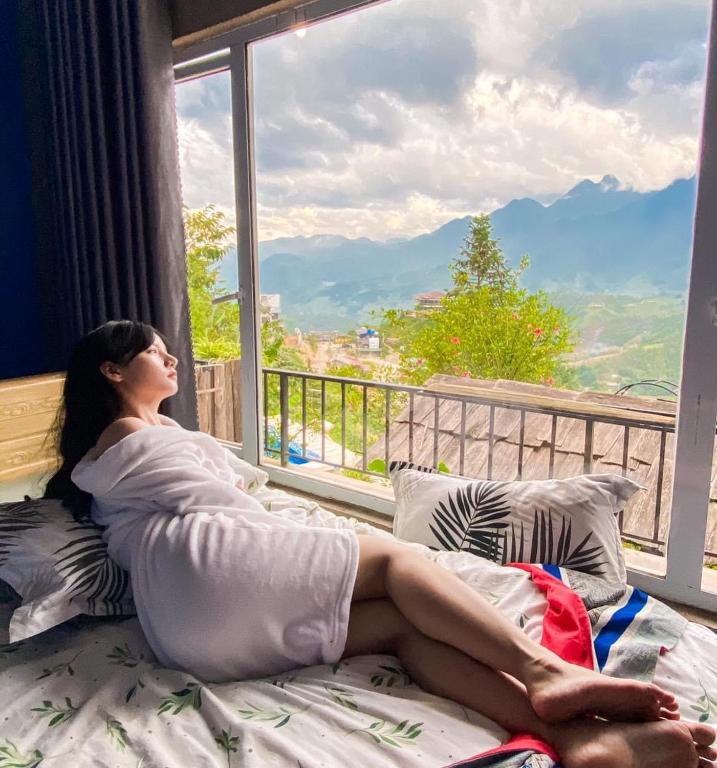
Catcat Garden House
Cat Cat · 1.0 km from the centre
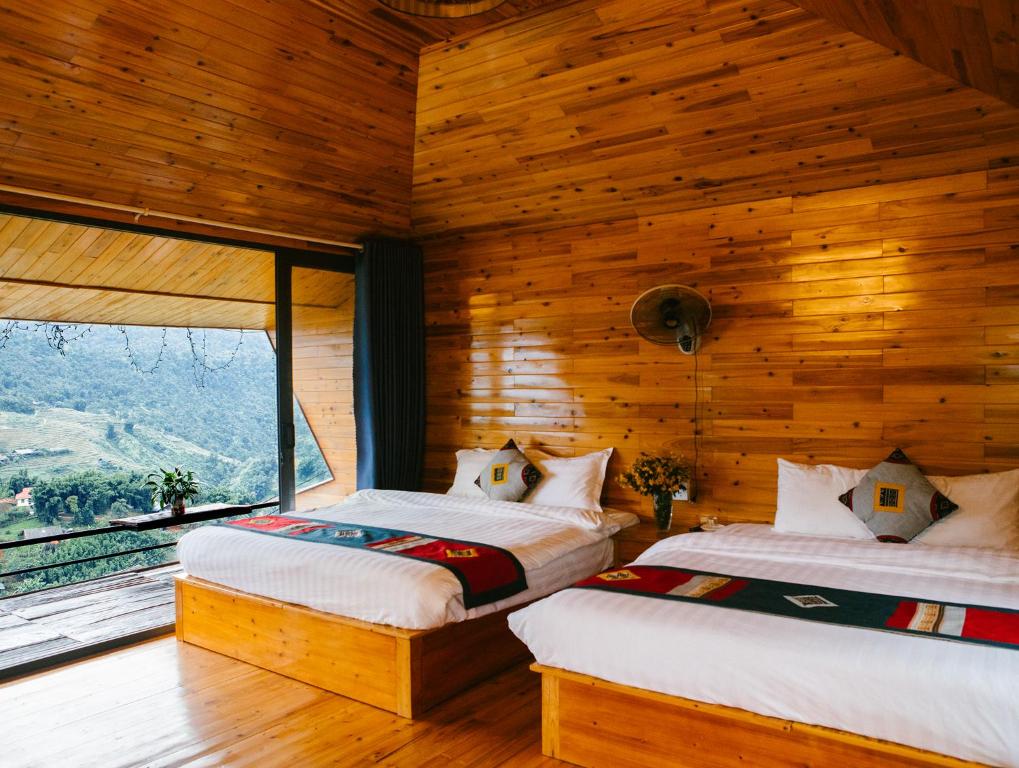
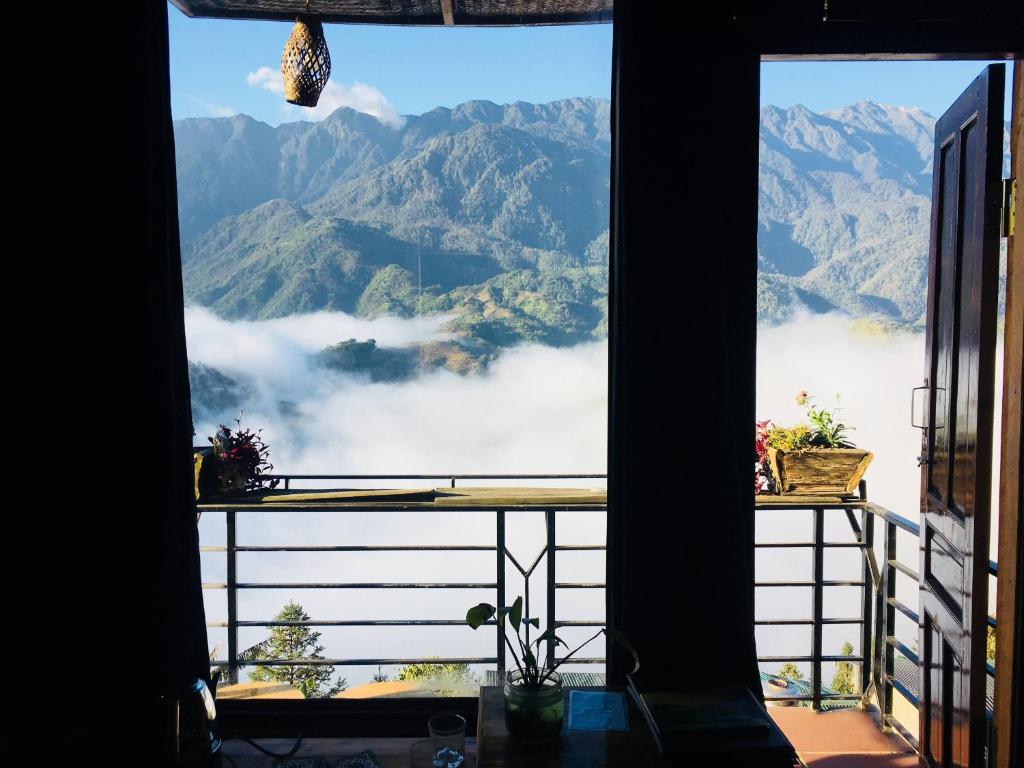
Catcat Garden House is a homestay in Cat Cat, Sa Pa, with an infinity pool, mountain and valley views, family rooms, spacious apartments and Asian dining on site.
5 accommodations
Cat Cat · 1.0 km from the centre
Catcat Garden House is a homestay in Cat Cat, Sa Pa, with an infinity pool, mountain and valley views, family rooms, spacious apartments and Asian dining on site.
Cat Cat · 1.1 km from the centre
A homestay in Cat Cat, Sa Pa, with mountain-view rooms, family accommodation, a garden, restaurant, sauna and free private parking. Pets stay at no extra charge.
Cat Cat · 1.0 km from the centre
Mintu Home is a Cat Cat guest house near Sa Pa, with mountain-view rooms, a garden and sun terrace, plus hiking, bike tours and a paid airport shuttle.
Cat Cat · 2.0 km from the centre
A country house in Cat Cat, Sa Pa, with family rooms, private kitchens, mountain views, terrace dining and an on-site restaurant serving Asian breakfast.
Cat Cat · 1.8 km from the centre
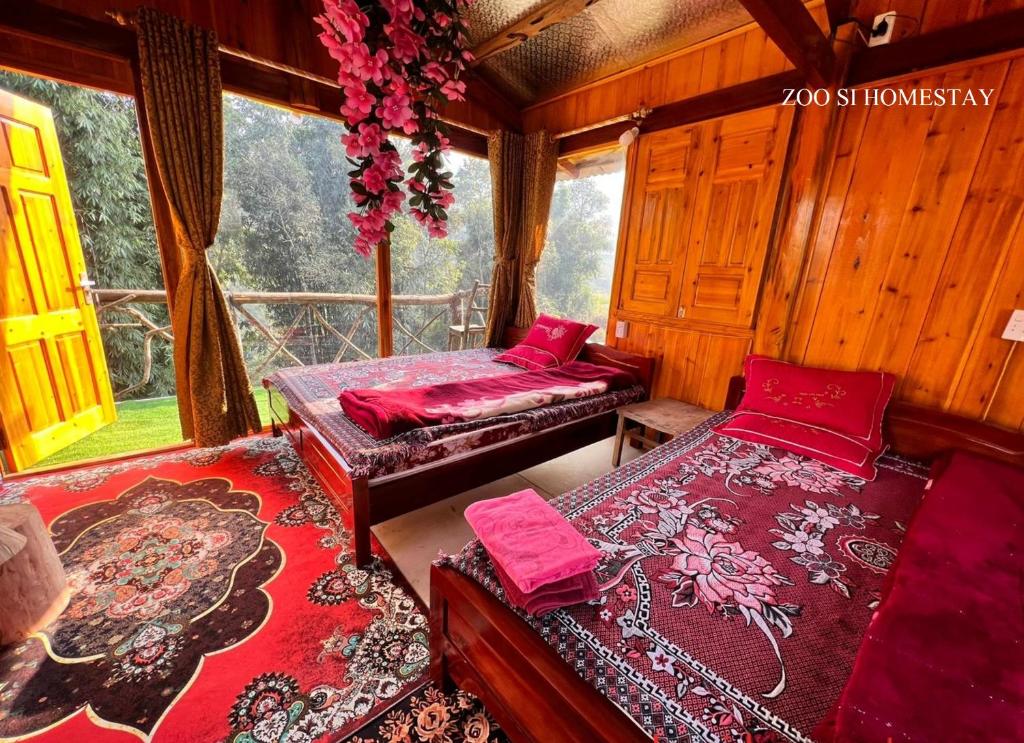
Zoo si homestay is a holiday home in Cat Cat, Sa Pa, with garden and mountain views, continental breakfast, on-site dining and guided village treks.
Cát Cát is a Black Hmong village 2.5–3 km south-west of Sapa town, in the valley directly below Fansipan street. It is the most visited village around Sapa: a paved path with steps leads down through houses, weaving and indigo workshops and shops to the Cát Cát waterfall, the wooden water wheels and the small hydroelectric plant the French built in 1925, with folk-dance shows several times a day. Entry costs 150,000 VND for adults and 70,000 VND for children, and the village is open from 5:00 to 22:00.
Staying here means valley scenery, the sound of the stream and terraces from the balcony while remaining 10–15 minutes by taxi (about 150,000 VND) or a 30–40 minute walk from the church square; it suits visitors who want one foot in the countryside without giving up town restaurants. The 5 places listed are bungalow resorts and small hotels on the slope above the village, typically 800,000–1,500,000 VND per night, with private bathrooms, hot water and in most cases heating, which the homestays further down the valley rarely have. The drawback is the daytime crowd: from mid-morning to late afternoon the path through the village is busy, particularly at weekends and during Tết. Early morning and evening, when the ticket gate is quiet, are the reasons to sleep here.
On foot from Sapa town, downhill along Fansipan street, 30–40 minutes; by taxi 10–15 minutes; by electric buggy from the town centre. The walk back up is steep, and most hotels arrange a car. From Cát Cát, trails continue to Ý Linh Hồ (about 4 km) and on to Lao Chải and Tả Van, so the village is also the start of the classic valley trek.
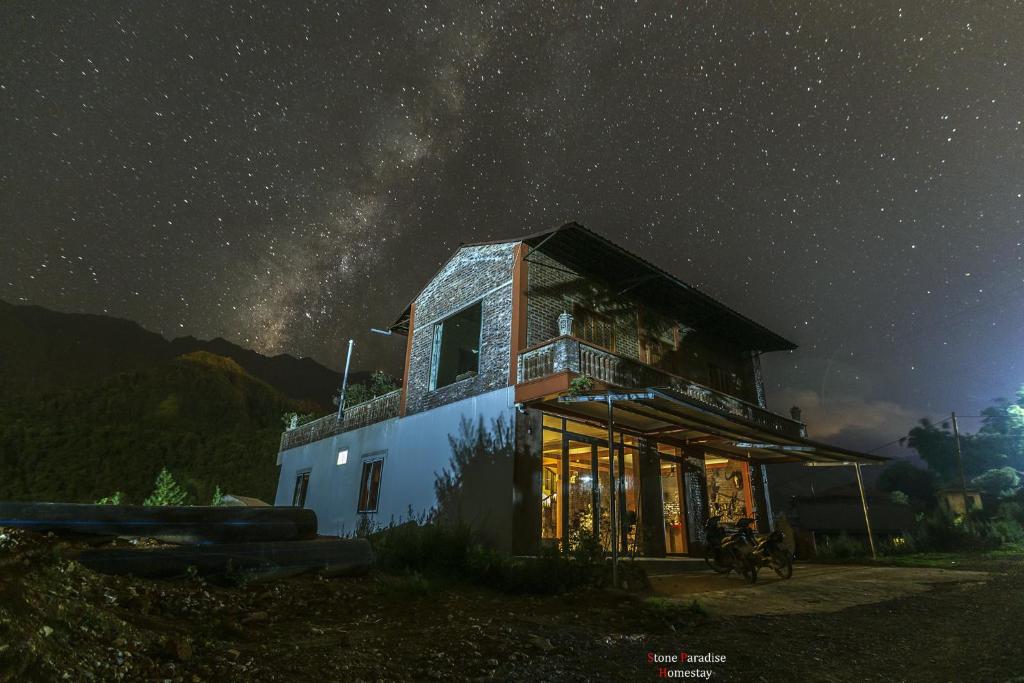
The properties on the slope above the village are bungalow resorts and small hotels rather than homestays: wooden or stone bungalows with a private bathroom, hot water, a balcony on the valley and in most cases a heater or fireplace for the cold months, plus a restaurant on site. Breakfast is usually included; dinner can be taken at the hotel or in the village restaurants on the main path, which close early. Cars reach the hotels at the top of the village; the ones lower down the slope are reached on foot down the steps, so ask about luggage before booking. Because the village is a ticketed site, guests pay the entrance once on arrival and can then walk in and out freely, which makes early morning – before the tour groups arrive from town – the best time to see the waterfall and the water wheels.
Cát Cát is managed as a tourist site, with a ticket gate, paved paths, signposts and shows; the landslides of Typhoon Yagi in September 2024 and the storms of October 2025 damaged parts of the village and the access road, which have since been repaired. Best seasons are March–May and September–November; the waterfall is fullest after the summer rains.
150,000 VND per adult and 70,000 VND per child in 2026; guests staying in hotels inside the village pay it once on arrival.
Yes, it is about 3 km downhill along Fansipan street, 30–40 minutes; take a taxi or buggy for the way back.
Both: Hmong families still live and farm there, but the path, shows and shops are run for visitors; for a village without a ticket gate, look at Ý Linh Hồ or Hầu Thào.